Why Hockey Players Tape Their Sticks
Hockey players tape their sticks to improve blade grip, protect the blade and shaft, and adjust how the stick feels in their hands. Tape can also help players control the puck.
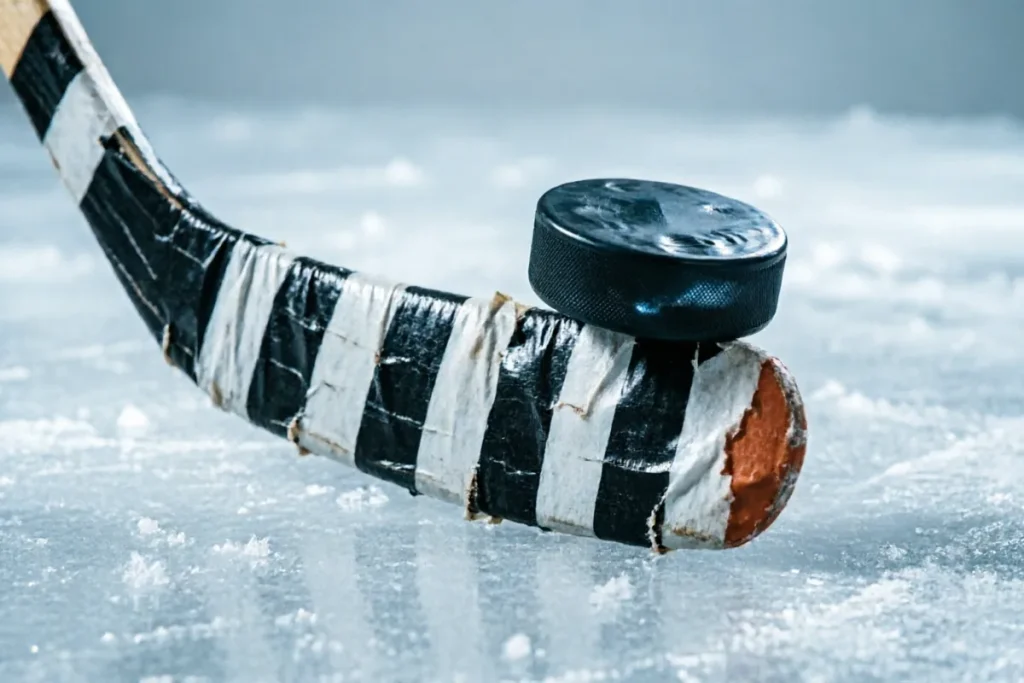
The tape job varies: players may cover the blade, the handle, or both, depending on what they want from the stick. The choice of tape and how it is applied can affect feel and wear, so there is no single setup for every player.
| Choice | Practical effect | Trade-off or check |
|---|---|---|
| Blade tape | Changes puck contact; shields against moisture and abrasion | Can take chip damage but cannot repair a weakened blade |
| Handle tape | Adds top-hand grip and protects the shaft surface | Wrap amount and shape depend on personal grip |
| White tape | Can help a goalie see a black puck coming off the blade | Visibility is a consideration, not a guaranteed advantage |
| Black tape | Some players choose it because they believe it is less visible to the goalie | This preference contrasts with the NHL’s reported point about white tape |
Why do hockey players tape their blades?
Hockey players tape their blades to improve puck control, cushion passes, and protect the blade from moisture and abrasion. Tape gives the puck a less slippery surface to contact than an untaped blade, which helps during stickhandling and when receiving a pass.
Retired professional ice hockey player Brian Rolston said modern fiberglass hockey-stick blades are slippery and do not make good contact with the puck. Tape adds a more secure contact layer between the blade and puck.
Retired player Bobby Nystrom said tape cushions a received pass, helping keep the puck from bouncing off the blade. It also acts as a moisture barrier and takes some of the abrasion and chip damage that would otherwise reach the blade. The tape wears instead, so inspect it and replace it when it is damaged or no longer lies flat.
How do material and coverage change the feel?
Hockey stick tape changes how the puck contacts the blade and how much of the blade is covered, while the stick’s construction still shapes feel, accuracy and hand feedback.
Blade-face coverage
Fiberglass blades can feel slippery because their surface changes the contact between blade and puck. Tape adds a different contact surface and can cushion impact when you receive a pass. Retired player Bobby Nystrom said blade tape cushions a received pass, helping keep the puck from bouncing off.
A strip across the blade face and a full wrap cover different areas. A full wrap protects more of the blade; a strip leaves more of its surface exposed.
- Strip across the blade face: covers the taped section, leaving the rest exposed.
- Full wrap: covers more of the blade and puts more tape between the blade and ice or puck contact.
Stick material
Blade construction also affects puck feel, shot accuracy and the feedback you feel through your hands. Tape changes the blade’s contact surface, but it does not replace the feel created by the stick itself.
- Composite sticks: associated with a quick puck release.
- Wood sticks: provide a traditional feel.
What does tape protect, and what does it not fix?
Hockey stick tape helps shield the blade from puck impact, abrasion and moisture, but it cannot repair a worn or weakened blade.
The blade takes repeated contact with the puck and friction during play, leaving it vulnerable to chips and other damage. Tape can absorb some impact and take chip damage in the blade’s place; it is a sacrificial layer, not a guarantee against damage.
Protection is not a repair
A blade can weaken through use or force, just as a shaft can. Tape may help keep moisture from the ice off the blade, but it does not restore strength to damaged material. Inspect the stick itself, and replace it if the blade or shaft is compromised rather than relying on fresh tape.
Tape on the handle serves a different purpose: it covers the shaft surface and gives the top hand added grip. That grip can help keep your hand secure on the stick, but handle tape does not prevent the shaft from weakening under use or force.
Does tape colour affect visibility?
Yes—tape colour can affect how visible the puck is as it leaves the blade, but neither white nor black tape guarantees an advantage.
The NHL has reported that white tape can make a black puck easier for goaltenders to see coming off a blade. The Utah Mammoth has noted the opposing preference: some players choose black tape because they believe it is less visible to the goalie.
Those choices reflect different views of puck visibility, not just a way to protect the blade. The effect may depend on which visual contrast a player wants to create—or reduce—at the moment of release.
- White tape: may help a goaltender see the black puck leave the blade.
- Black tape: some players prefer it because they believe it makes the puck less visible to the goalie.
Choose the colour that suits your preference, and treat both visibility claims as competing considerations rather than a reliable on-ice advantage.
What are the trade-offs of a tape job?
A hockey-stick tape job trades some blade feel for protection and a more secure grip, and the right balance depends on how you handle the stick.
More tape across the blade can shield more of its surface from puck contact and abrasion. Tape absorbs some impacts and can take chips, but it cannot prevent every chip or restore a blade’s structural strength once the stick is damaged. As the tape wears, check the blade itself rather than treating the covering as proof that it is sound.
The butt-end wrap gives your top hand extra grip. Its amount and shape are personal: they should suit how you hold the stick, not follow a universal pattern.
- Blade coverage: More coverage offers more protection, while the resulting puck contact and feel remain a matter of preference.
- Butt-end wrap: More or differently shaped tape changes the grip available to your top hand; choose a wrap that fits your hold.
- Tape amount and colour: Players choose both to balance feel, protection and personal preference.
When should you replace blade tape?
Replace blade tape when wear or damage exposes the blade and puck contact or control no longer feels consistent. A frayed wrap can still cover part of the surface, but exposed areas leave the blade less protected and can make puck feel uneven.
Before adding fresh tape, inspect the blade for chips and signs that it has weakened beneath the old wrap. Tape can take some impact and chip damage, but a new layer cannot repair a damaged blade; if you find a chip, assess the stick itself rather than covering it up.
Check the stick, not just the tape
If the stick feels different after a tape change, the tape job may not be the only cause. Blade condition can affect the feedback you feel through your hands, and stick material also changes feel: composite sticks offer quick puck release, while wood sticks have a traditional feel. Check the blade for damage and consider whether the stick’s material or condition has changed before deciding the tape is responsible.
Frequently asked questions
Does blade tape improve puck control?
Does tape stop a hockey stick blade from breaking?
Why do some players use white blade tape?
Why tape the top of the stick?
Key takeaways
- Blade tape changes puck contact and helps protect against moisture, abrasion and chips.
- Tape can cushion a received pass, but it cannot repair a weakened blade.
- White tape may help a goalie see a black puck; some players prefer black tape for the opposite visibility reason.
- Choose coverage and handle grip by feel, then inspect the blade beneath worn tape.
Sources
- hockeychirpers.com — “Why Do Hockey Players Tape Their Sticks? – Big Shot Hockey”
- thehockeyshop.com — “Hockey Stick Science: Why does my hockey stick break?”
- referencehockey.com — “How to Tape a Hockey Stick: Blade, Knob, and Wax Guide”
- ProStock Hockey — “What Are Hockey Sticks Made Of? Materials Guide”
- allblackhockeysticks.com — “How Stick Weight Affects Your Speed, Shot, and Hands”