Choosing Seats at an Ice Hockey or Figure Skating Event
Choose seats at an ice hockey game or a figure skating event by matching the view to the sport: sit higher and near the middle for a balanced look across the rink, or lower and closer for a more immersive perspective.
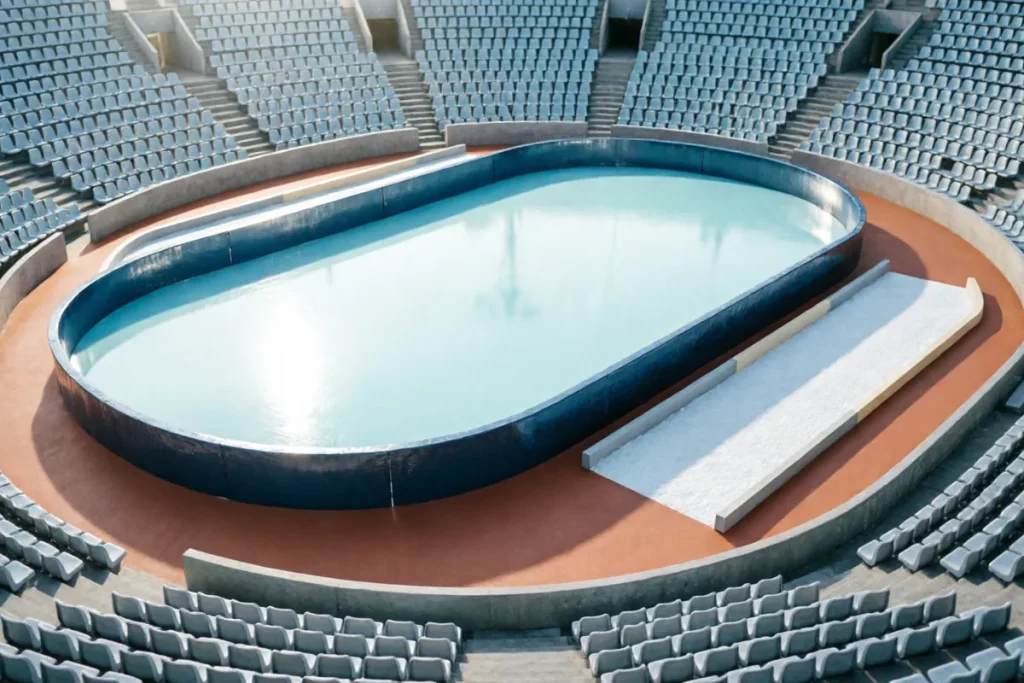
For both sports, consider how the angle affects your view of play across the ice. Arena seating is a trade-off between seeing the whole event and feeling close to the action.
| Seat or viewing position | Best suited to | Trade-off to check |
|---|---|---|
| Upper bowl near mid-ice | Following hockey between both goals | Less close-up detail |
| Low seat near the goal line | Seeing near-end hockey action | Rink boards and far-end sightline |
| Club level | Comfort and added amenities | Amenities do not guarantee the preferred angle |
| Long side, raised, near centre ice | Figure skating programs | Check the event chart for stage or camera areas |
How should you choose a seat in an ice arena?
Choose the view before the extras.
Choose an arena seat by matching its sightline to the event layout: hockey and skating each call for a different view. Check the event’s seating chart before buying; many arenas publish a separate chart for each event (Heritage Bank Center in Cincinnati is one example), and ushers can help visitors find their seats.
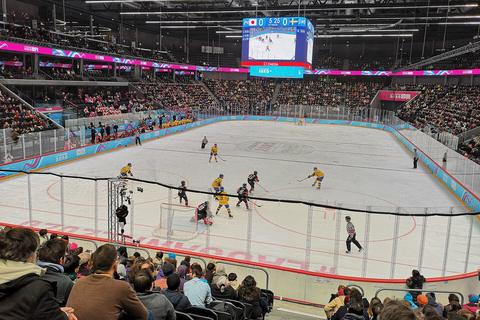
- Hockey: A higher seat near mid-ice gives a broad view of both ends, making play easier to follow. A low seat near the goal line brings you closer to the action, but rink boards can interrupt the view.
- Skating: Check the setup for the event and choose a position with a clear view of the skating area; hockey sightline advice may not apply.
Balance comfort and cost
Club-level, upper-bowl and VIP seats offer different trade-offs, not a universal ranking. Club-level seating adds comfort and amenities, while upper-bowl seats are a budget-conscious choice that can still provide an overview of the play.
- Club level: Choose it for added comfort and amenities.
- Upper bowl: Consider it for a lower-cost view of the overall game.
- VIP: Choose it for comfort and exclusive amenities, not on the assumption that it guarantees the best angle on the action.
Where should you sit for hockey or skating?
For hockey, choose upper-level seats near mid-ice if tracking play between both goals matters more than seeing players up close; choose near the goal line for a closer view of action at that end. From the goal line, rink boards and the shallow viewing angle can make play at the far end harder to see.
- Hockey, upper level near mid-ice: A broad view makes it easier to follow movement from one goal to the other.
- Hockey, near the goal line: The near-end action feels closer, but the far end may be partly obscured by the boards and viewing angle.
- Skating: Pick a seat with a clear view across the performance area, and check the event’s seating chart for any setup that changes the usable rink shape.
Check the event layout
For skating, the best position depends on being able to see across the performance area; an event-specific arrangement can change which parts of the rink are in use. Where the arena publishes seating charts for individual events, check the chart for the show you plan to attend rather than assuming every layout is the same.
Use the event chart to choose a view, then ask an usher for directions inside the arena.
How do accessible seats affect what spectators can see?
Accessible seats can change what spectators see because wheelchair positions, railings and standing crowds may create sightlines different from those in the row behind. Check the accessible area against the event’s own seating chart and the actual rink layout, including any barriers or temporary structures shown there.
Check the specific area before booking
- Event layout: Compare the accessible section with that event’s rink configuration; a chart for another event may show a different setup.
- Companion seating and access: Ask the venue whether companion seats are available and how to reach the specific area without steps.
- View: Ask about sightlines from the exact accessible position rather than assuming it matches the row directly behind. A wheelchair position, railing or standing spectators can affect the view.
Ushers can help spectators find a seat. Contact the venue directly before booking to ask about access arrangements and the view from the accessible area for your event.
What are the common mistakes when comparing arena seats?
The most common mistake is assuming that every hockey arena—and every event in one arena—offers the same sightlines, then choosing by seat level or perks without checking the view. Rink geometry, board height and event-specific seating layouts can all change what is visible.
- Comparing arenas as if they were interchangeable: A recommendation that works in one venue may not transfer to another because rink dimensions, board placement and seating angles differ. Compare seats on the map for the specific arena, rather than relying on a general rule such as “sit near the ice.”
- Choosing a low seat for closeness alone: A seat close to the rink can put the boards or a steep viewing angle between you and the far end. Check whether the seat gives you a clear view of both goals, not just a close look at the near side.
- Using a generic map for every event: Many arenas publish a separate seating chart for each event. Check the chart for the event you plan to attend; an arena’s general layout may not reflect that event’s configuration.
- Paying for amenities before judging the view: Club-level and VIP seating can add comfort and amenities, but those benefits are separate from sightline quality. Compare the view first, then decide whether the added experience is worth the cost.
The short version
- For hockey, compare elevated mid-ice sightlines with low seats near the goal line and account for rink boards.
- For figure skating, check the event-specific setup rather than assuming the standard rink map applies.
- Club-level, upper-bowl and VIP choices balance comfort, budget and amenities differently; none guarantees the best view.
- Use the event’s own seating chart, and ask an usher once you arrive.
Common questions
Are upper-bowl seats good for hockey?
They can be a practical, lower-cost choice, especially near mid-ice, where the elevated view helps track play between both goals.
Are seats near the ice always best?
No. Rink boards and a low angle can block parts of the action, while a higher mid-ice seat may show the full game more clearly.
How can I check the view for a specific event?
Use that event’s seating chart rather than relying only on a general arena map; many arenas publish one for each event.
Where should I sit for figure skating?
A raised seat on the long side near centre ice shows the whole surface, which matters because programs use every part of the rink. Check the event chart for stage, camera or judging areas.
Sources
- WBS Penguins — “Best Seats at an Ice Hockey Game”
- heritagebankcenter.com — “Heritage Bank Center – Seating Charts”
- rateyourseats.com — “Where to Sit For a Hockey Game – A Comprehensive Guide – RateYourSeats.com”