Shannon Mitchell Targets World Championship Progress
Shannon Mitchell will represent Great Britain at the Women’s World Championship in Newport, Australia, from 24-29 November 2026, with a clear aim: help the team improve and strengthen the case for a women’s event at the Winter Paralympics. The defender is competing in her second championship as the sport works towards a possible Paralympic category in 2030.
What changes for Great Britain
The tournament is the second edition of the Women’s World Championship. Mitchell is one of 12 athletes selected for Great Britain, which will play in Group A against hosts Australia and reigning champions USA. The event gives the squad another chance to test its development against international opponents.
Great Britain finished fourth among five teams at the inaugural championship in Slovakia in 2025. Mitchell says the work since then has been deliberate, with the team focused on improving skill, speed and attacking intent. She expects the tournament to show how much that preparation has changed the team’s play, rather than treating the previous placing as a forecast.
Mitchell has been part of the UK women’s programme since it began and has also represented Great Britain at the Women’s World Challenge. Her route into the sport came after an injury at 14 or 15 led to disability; she lost her leg in 2019. A teammate from wheelchair basketball suggested Para ice hockey, and she joined the Cardiff Huskies around the 2020 season.
Who the Paralympic goal affects
The proposed Paralympic category would change the sport’s place on the Winter Games programme. Women can currently be rostered on traditionally men’s mixed teams, and Great Britain has several women on its men’s team. A separate women’s event would create a distinct medal pathway, but the International Paralympic Committee’s criteria have not yet been met.
Eligibility for a separate medal event requires at least two world championships, sustained participation by at least eight nations and representation from at least three global regions. The 2025 and 2026 championships contribute to the competition record; participation across nations and regions is also part of the test. The goal identified within the sport is a women’s category at the 2030 Winter Paralympics.
For Mitchell, that ambition is tied to access and representation as well as competition. She has spoken about wanting disabled women and LGBTQ+ athletes to feel they belong without leaving parts of themselves behind. The women’s team, she says, has become a community where her wife’s presence at games feels ordinary, rather than something that sets her apart.
Costs and commitments beyond the rink
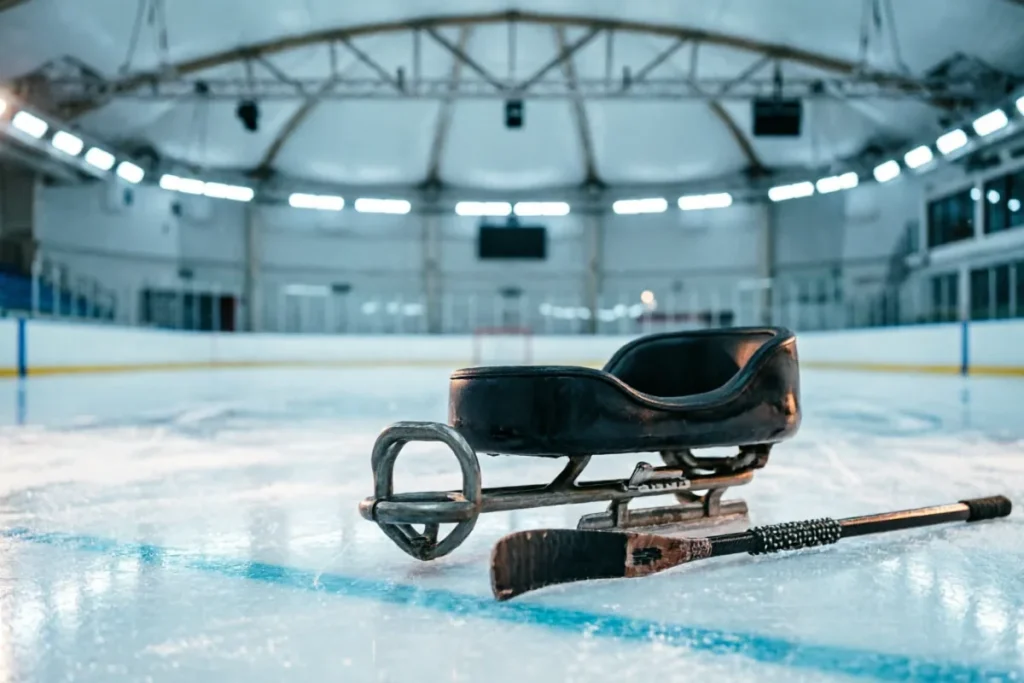
Mitchell’s experience also points to the practical demands of elite Para ice hockey. Sleds and other disability-sport equipment can be bespoke and costly, while training may involve long journeys. Earlier in her career, she made four-hour round trips for sessions while studying biomedical science at the University of Birmingham.
She now works full-time as a science teacher and continues to balance her job, sport and personal life. That commitment is part of the context for Great Britain’s campaign: international progress depends not only on performance during the championship, but also on athletes being able to reach training and sustain their involvement.
What remains undecided
The immediate question is how Great Britain performs in Newport against Australia and the USA, and whether the team’s improvements translate into results. No placing for the 2026 championship is settled before the games are played.
The longer-term question is whether women’s Para ice hockey can meet the IPC’s participation and championship requirements for a separate Winter Paralympic medal event. Mitchell’s 2030 goal depends on continued competition and representation across the required nations and regions; the championship in Newport is one step in that process, not a decision on the category.
Sources
- athletics.possumbility.com — “Annual Report – Australian Athletics”
- paddleuk.org.uk — “Annual Report – Paddle UK”
- athleticsweekly.com — “CHRISTINE OHURUOGU – Athletics Weekly”
- academia.edu — “(PDF) Olympic and Paralympic Analysis 2024: Mega events, media, and the politics of sport”