Why Figure Skating Has Short and Free Programs
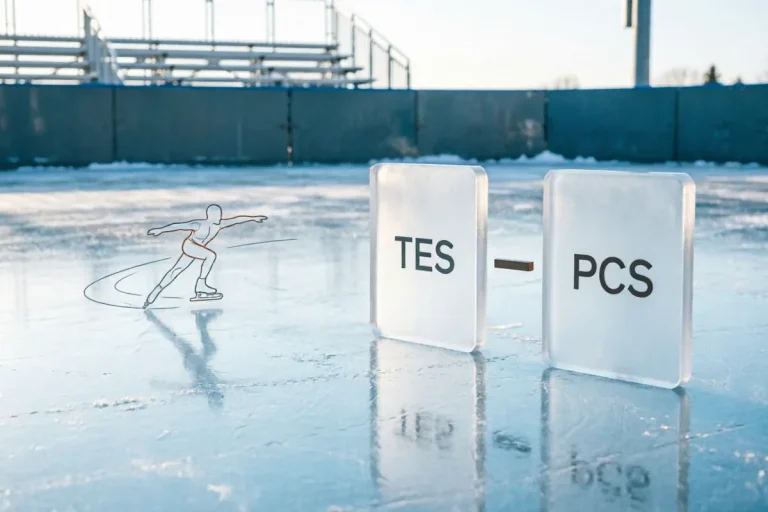
Figure skating has short and free programs to balance technical precision with artistic freedom. The short program sets required elements; the free program gives skaters more time to build a routine and show their style.
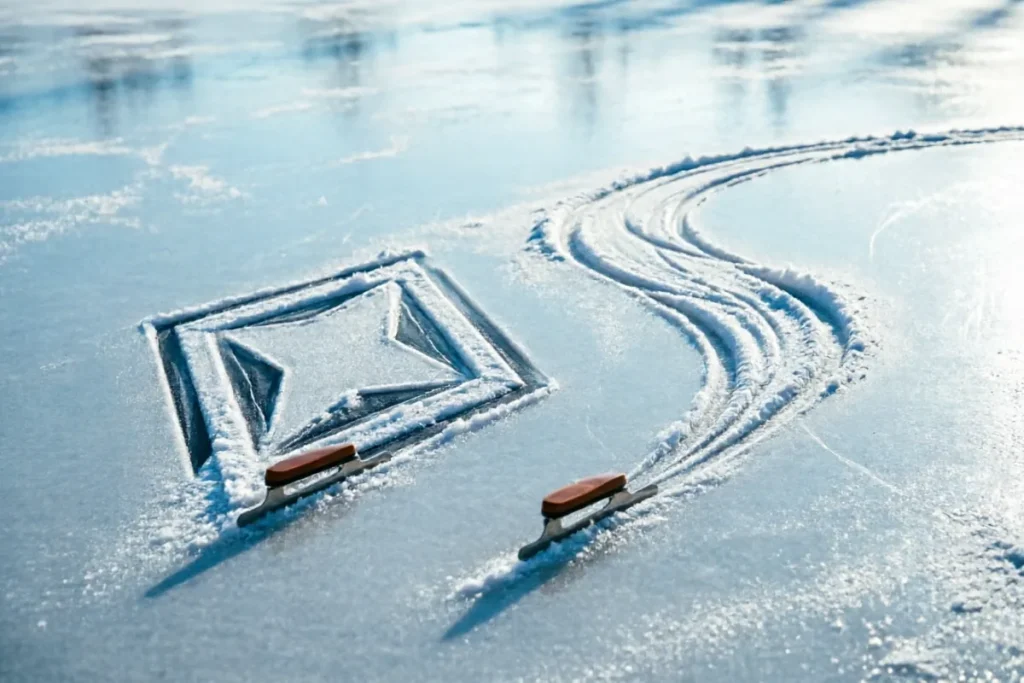
Together, the two segments test different strengths: skaters must meet the short program’s requirements, then use the longer free skate to shape a broader performance. This format makes figure skating a contest of both execution and interpretation.
| Criterion | Short program | Free skate |
|---|---|---|
| Position in event | First segment | Second and final segment |
| Element structure | Required jumps, spins and step sequence | More creative freedom |
| Program length | 2 minutes and 40 seconds (plus or minus 10 seconds) in men's, women's and pairs events | Longer than the short program |
| Contribution to final score | Added to free-skate score | Added to short-program score |
Why do skaters perform two programs?
Figure skaters in singles and pairs perform two programs so that their combined scores determine the final result: the short program establishes an early competitive position, and the free skate offers another opportunity to earn points. Each segment has a different role, but both contribute to the same final score.
The short program comes first and includes required jump elements, spins and a step sequence, so clean execution matters. The free skate follows with more room to show technical and artistic ability. The two performances are usually kept the same throughout a skating season, making them complementary parts of one competitive plan rather than unrelated routines.
How the two programs fit together
Figure skating’s Olympic history reaches back to the 1908 London Games, when the rules allowed classical, non-lyrical music; ice dance was the exception. Today, the short program and free skate still serve distinct purposes: one sets the first score, while the other adds to it, with the two segment scores combined to determine the final score.
What must a short program include?
The figure skating short program must include required jump elements, spin elements and a step sequence. These prescribed elements make the format a test of execution against set requirements, not an unrestricted choice of content. If a planned element goes wrong, skaters have less room to substitute a different layout than they do in the free skate.
How the short program shapes the score
In figure skating, a clean short program matters, but technical execution is not the only contributor: component scores also add to the points earned before the free skate. The short and free skate scores are combined for the final score, making the first segment important even though it is shorter and more constrained.
Tara Lipinski’s 1998 Olympic performance in Nagano included an instrumental song from the Anastasia soundtrack, showing how a skater could pair prescribed elements with a soundtrack choice.
How does the free skate change the task?
The free skate changes the task by giving figure skaters a longer second program and more room to shape its technical and artistic content. Unlike the short program, which includes required jump elements, spins and a step sequence, the free skate allows greater creative freedom and a broader display of skating ability.
One performance, two parts of the final score
The free skate is the second and final program in the event, following the short program. Its score is added to the short-program score to produce the final total; it does not replace the earlier result.
That arithmetic makes the free skate an opportunity to gain ground, not a reset. A strong performance can raise a skater’s combined score, but the short-program segment remains part of the total, so points earned or lost there still matter.
How do music rules shape the programs?
Music shapes the short and free programs differently: a defined set of required elements constrains the short, while the longer free skate gives skaters more room to make artistic choices. Both segments are performed to music, but musical expression does not replace the technical checklist in the short program.
Rules, music and expressive room
At the 1908 London Games, figure-skating rules permitted classical, non-lyrical music; ice dance was the exception. That early distinction shows how rules can shape the musical character skaters are allowed to present, while the program format determines how much space there is to develop it.
Tara Lipinski’s performance at the 1998 Olympic Games in Nagano included an instrumental song from the Anastasia soundtrack. It illustrates how a musical choice can give a skate a distinctive mood, but in today’s short program the required jump elements, spin elements and step sequence still have to be completed. The free skate’s longer format offers more room for artistic choices alongside technical content, creating a clear contrast with the short program’s defined checklist.
When can the two-program format work against a skater?
The two-program format can work against a skater when a short-program mistake costs points that the free skate cannot simply erase. The short program requires jump elements, spin elements and a step sequence, leaving limited room to reshape the performance after an error. A stumble or missed element can therefore affect the score before the longer program begins.
The free skate gives skaters another scoring opportunity, not a fresh start. The short-program and free-skate scores are added together, so a strong second performance must earn enough points to make up ground in the combined total. Treating the free skate as a guaranteed recovery can be misleading: its score matters, but it does not replace the first one.
More time also means more to sustain
The free skate allows a wider range of technical and artistic content than the tightly prescribed short program, but its longer duration also demands sustained execution. A skater must maintain control across more of the performance, so fatigue or a later mistake can limit the benefit of that extra opportunity. The format rewards recovery only when the free-skate points are sufficient to offset the short-program deficit.
How should viewers read the combined result?
Viewers should read the short-program score as an opening contribution, not a final verdict: the free-skate score is added to it to produce the final total. Neither segment stands alone in the result, so a skater who builds an early lead still has to deliver in the second program.
The short program tests precision against prescribed requirements, including jump elements, spin elements and a step sequence. A clean performance can provide a strong start, but it does not settle the outcome; the free skate gives skaters a longer performance in which to show technical ability and artistic expression.
Compare both segments before judging a skater’s overall performance. A comparatively strong short program may need support from the free skate to secure a higher combined score, while a weaker opening can be offset by the second segment. The format rewards both accuracy in the required elements and the ability to sustain a longer, expressive skate.
The short version
- The final score combines the short program and free skate.
- The short program requires jump elements, spin elements and a step sequence.
- The free skate is longer and allows greater creative freedom.
- The 1908 London Games permitted classical, non-lyrical music, except in ice dance.
Common questions
Are the short program and free skate scored separately?
Each receives a score, and the two scores are added to determine the final result.
What elements are required in the short program?
Its required elements include jumps, spins and a step sequence.
Can a strong free skate make up for a mistake in the short program?
It can add points, but the short-program score remains part of the combined total.
Why does the free skate allow more artistic freedom?
It runs longer and gives skaters more room to present technical and artistic abilities.
Sources
- soyouwanttowatchfs.com — “Introduction to Figure Skating Competitions”
- Chique Sport — “Figure Skating Short vs Long Program Explained”
- Adults Skate Too LLC — “Every Figure Skating Event at the Olympics, Explained”
- usfigureskating.org — “Ice Skating Disciplines – U.S. Figure Skating”
- espn.com — “How does Olympic figure skating work? Format, scoring, rules – ESPN”