A Parent’s Guide to Buying Used Hockey Gear
Buy used hockey gear only after checking fit, protective parts and condition; a low price is no bargain if the equipment is damaged or does not fit your child.
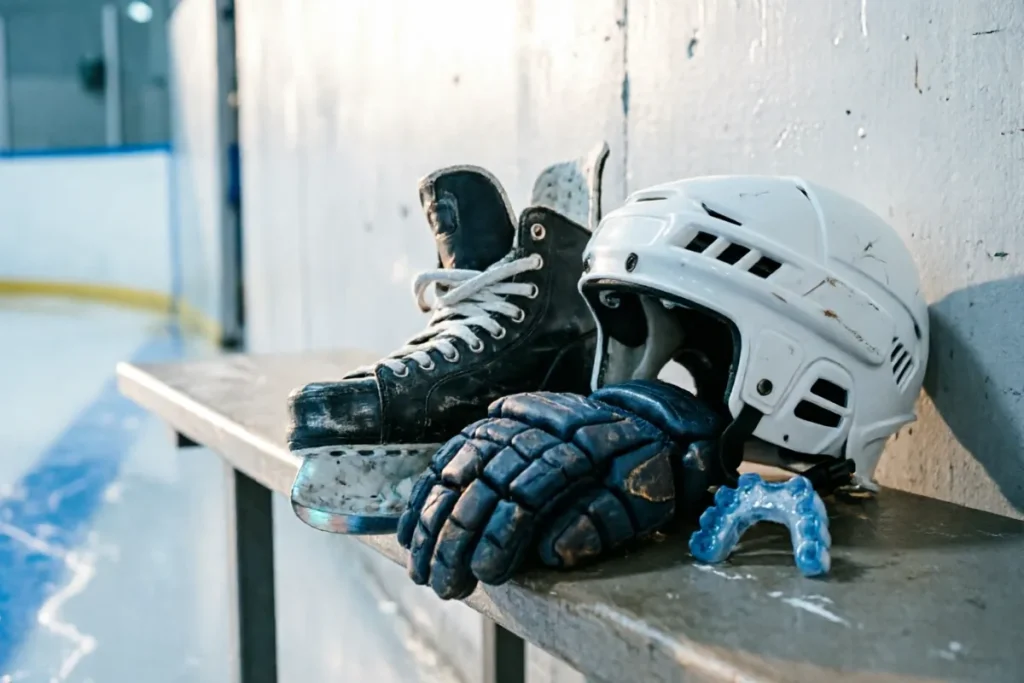
Children grow quickly, and hockey gear can be costly to replace. Buying second-hand can help, but each item needs a close inspection: check that it fits securely, fastenings work, and protective materials show no cracks, tears or heavy wear.
This parent’s guide to buying used hockey gear explains what to examine before you pay, which fit issues matter, and when to skip an item rather than take a risk.
| Equipment | Secondhand decision | Main check |
|---|---|---|
| Helmet | Buy new | Do not rely on appearance alone |
| Mouthguard | Buy new | Personal-fit item |
| Jock | Buy new | Personal protective item |
| Pads and pants | Used can work | Intact foam, secure straps and fit |
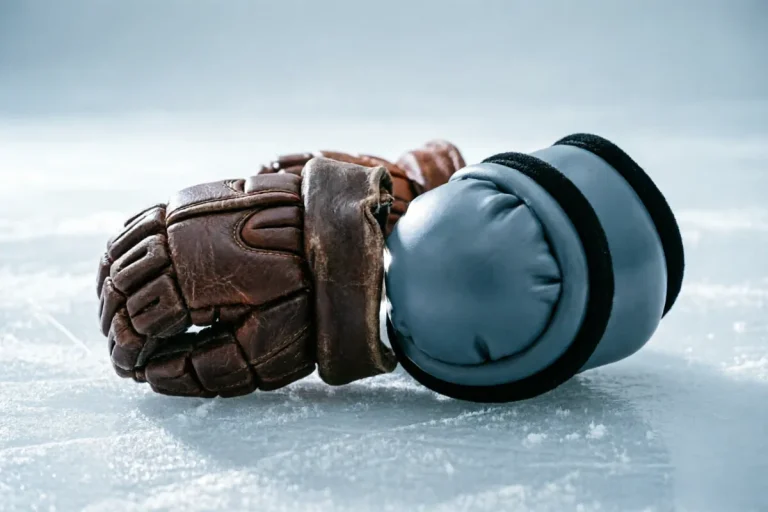
| Gloves | Used can work | Intact foam and no holes in palms |
| Skates and sticks | Used can work | Fit and structural condition |
Which hockey gear is generally safe to buy used?
Used hockey skates, pads, gloves, pants and sticks are generally reasonable purchases if they fit the player and remain structurally sound.
Check that protective foam is intact, and reject gloves with holes in the palms. Shin guards, elbow pads, shoulder pads and hockey pants often pass from one growing player to another through equipment exchanges; inspect each item rather than relying on its previous use.
- Skates: Buy used only if they fit securely and show no structural damage.
- Pads and gloves: Check the foam and, for gloves, the palms.
- Hockey pants: Confirm they fit and their protective structure is sound.
- Sticks: Judge the stick by its condition and whether it suits the player; newness alone does not make it the better choice.
What should parents generally buy new?
Parents should buy a hockey helmet, mouthguard and jock new rather than reuse these personal protective items.
A used helmet’s clean shell or tidy appearance does not establish that it remains suitable for play. Choose a new one instead of judging protection by how it looks.
Mouthguards should also be new: they are personal-fit equipment and should not be passed between players. A jock is personal protective gear, too, so buy it new rather than reusing another player’s.
How can you inspect used pads, gloves and pants?
Inspect used hockey pads, gloves and pants by flexing their protective areas, checking for material wear, and testing the fit on your child. The foam should remain intact rather than feel compressed, cracked or crumbly.
- Elbow pads, shin guards and pants: Check the seams, straps and closures for damage, then have your child put each piece on. It should stay in place through movement.
- Gloves: Turn them over and check the palms for holes and thin spots. A clean exterior does not rule out worn-through palm material.
- All protective pieces: Reject gear that shifts, leaves a gap or restricts movement, even when the outer fabric looks sound.
Fit and condition matter together: gear that looks intact but moves out of position may not protect the area it is meant to cover.
How should you judge used skates and sticks?
Judge used hockey skates by fit and the condition of the boot, holder and blade, and reject any stick with cracks, soft spots or blade-area damage.
- Fit the skates: Try them on with the player’s usual hockey socks. Check that the heel stays held in place, the toes have room and the ankle feels supported.
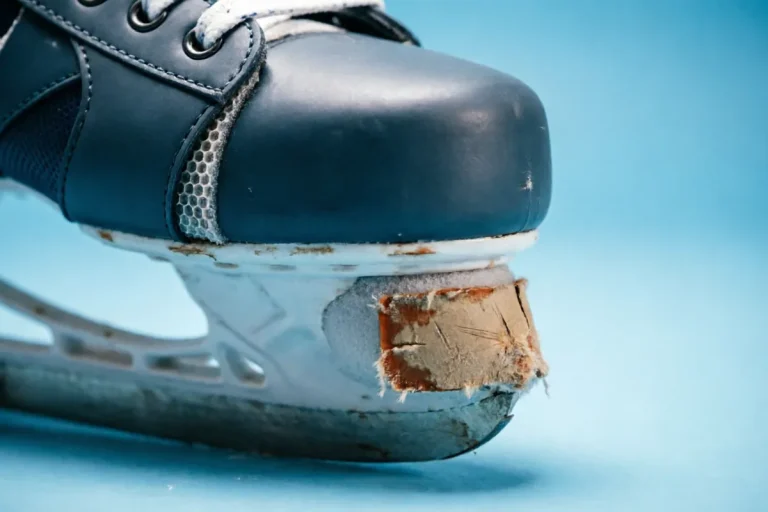
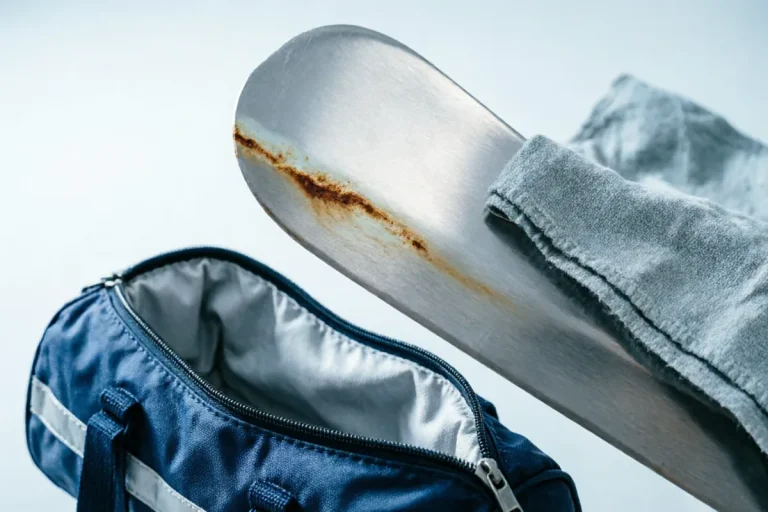
- Inspect the skate: Look over the boot, blade holder and blade for damage or looseness. A polished exterior does not prove the skate’s structure is sound.
- Choose the level: A mid-tier skate is a practical option for a young player; the cheapest and most expensive choices are not the only options.
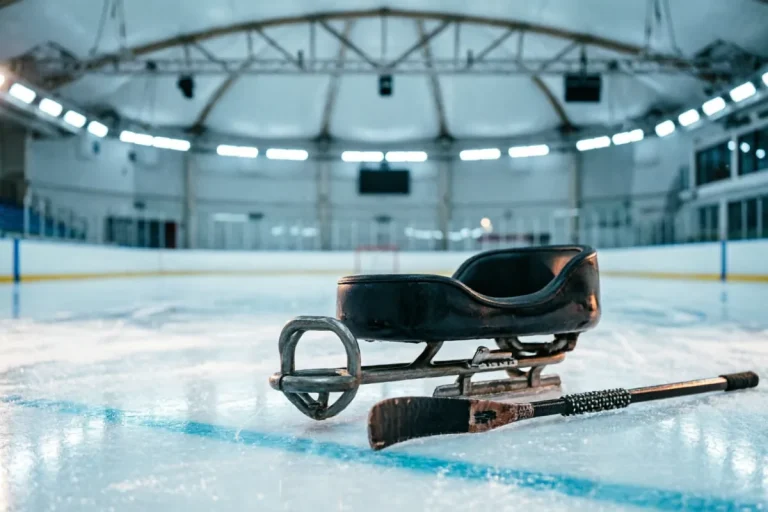
- Check the stick: Examine it for cracks and soft spots, paying particular attention to damage near the blade.
When should a young player wear a neck guard?
A young hockey player should wear a neck guard at training and in games, following the rules for their league and location.
In England and Wales, Rule 24.3 of Rules & Regulations applies to neck guards during all on-ice activities. In the Elite League, EIHL Casebook Rule 9.12 covers warm-ups and practice sessions.
If the neck guard comes off during play, the player should leave the ice and not retrieve it. Before buying a secondhand guard, check the current rules that apply to the player’s league and location; do not assume the same requirements apply everywhere.
What face protection must junior players use?
Junior hockey players must wear full face protection: IHUK junior leagues require it at every age, including Under-19, and England Ice Hockey requires every junior in England and Wales to wear a cage.
A used cage is worth considering only if it fits the helmet model and has no bent wires, loose fasteners or sharp damage. Check the helmet fit as well as the cage; a compatible cage that sits poorly is not a safe choice.
Before reusing any face-protection component, confirm the current league rule and that it fits the player’s helmet. Check with the relevant league if you are unsure whether a particular component meets its requirements.
When does buying used gear not work?
Buying used hockey gear does not work when the fit is poor, protective parts are damaged, or you cannot check the condition before paying. Gear that is too large can restrict a child’s movement and compromise safety; do not buy it on the promise that they will grow into it.
- Foam: Reject pads with damaged or deteriorating foam.
- Gloves: A palm worn through is not worth the low price.
- Skates: Do not accept a loose holder.
If you cannot inspect equipment in person, ask for clear close-ups of the foam, seams, straps, glove palms and skate blades before committing. Local community exchanges and used-equipment programs can let you check both fit and condition before taking gear home.
Sources
- betterhockey.com — “Hockey Gear Guide for Young Players: A Parents' Checklist”
- admkids.com — “Parents’ Guide to Buying Equipment”
- Big League Shirts — “What equipment is needed for hockey? A guide for youth and adult playe”
- newtohockey.com — “Hockey Equipment Buying Guide – For Parents / Kids – New To Hockey”
- TheHockeyShop.com — “Beginner's Hockey Equipment Buying Guide”