Ankle Mobility vs Skate Support for Beginners
For beginners, skate support should stabilise the ankle without preventing the forward bend needed for balance and control. Mobility matters, but a boot that lets your ankle collapse is not a substitute for strength or technique.
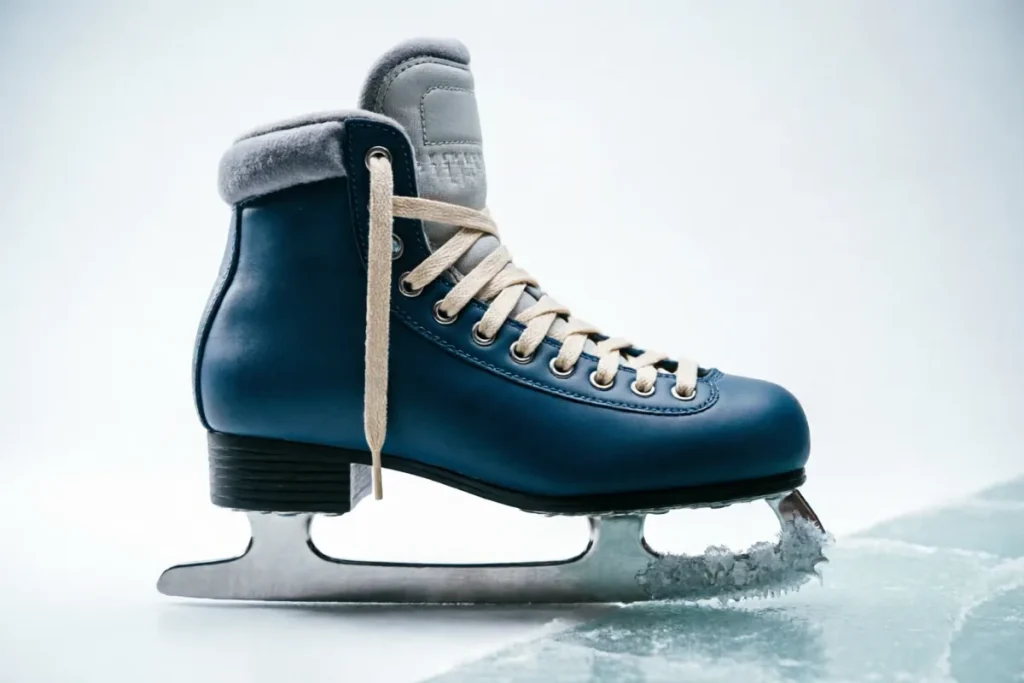
Skate support and ankle mobility are not opposites: a well-fitted boot supports the joint while allowing useful movement. If the boot feels restrictive, check its fit and stiffness before assuming your ankle needs more flexibility. If it feels unstable, extra mobility is unlikely to solve the problem.
| Choice or check | What it offers | What to watch |
|---|---|---|
| Light support | Natural ankle movement for balance and gliding | Heel still needs to stay snug |
| Riedell Horizon or Sparkle | Softer beginner boots recommended by Riedell | Check knee bend and heel hold |
| Jackson Classic SoftSkate 380 | Extra padding for beginner comfort | A review reports some users found it ran small |
| Riedell Soar Junior | Comfort-first junior skate | Check fit and movement on the child’s foot |
Who benefits from light skate support?
Beginners learning balance and gliding often benefit from light skate support: a softer boot allows natural ankle movement while they learn basic control.
Riedell’s buying guide places beginners in its light-support category and names the Horizon and Sparkle as examples. These softer boots are intended to let the ankle move naturally while you practise balancing and gliding.
- Riedell Horizon or Sparkle: Consider this light-support feel if you can bend your knees comfortably and the boot still holds your heel snugly. A secure heel helps the skate stay in place without making the ankle feel rigid.
- Riedell Soar Junior: This is presented as a comfort-first skate for children. A child who wants extra padding may prefer it as a junior option.
Fit matters more than choosing support by label alone. When trying on a skate, check that your heel stays snug and that you can flex your knees; if the boot pinches or prevents a comfortable bend, reassess the fit.
How should a beginner skate fit at the ankle?
Fit before stiffness.
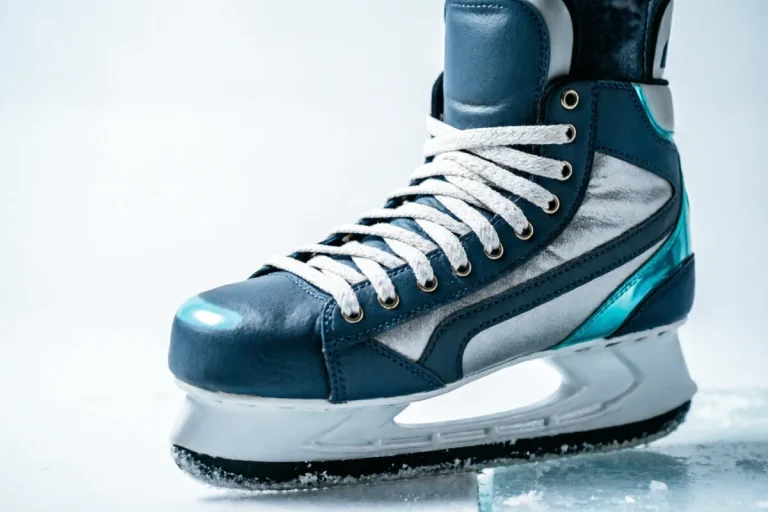
A beginner’s skate should let your toes lightly touch the front, hold your heel snugly without pinching, and support your ankle without preventing a slight knee bend.
- At the toes: Check for light contact with the front of the boot, not pressure that makes the fit feel cramped.
- At the heel: Your heel should stay in place without pinching or discomfort.
- At the ankle: Laces should secure the boot while leaving enough room to bend your knees naturally.
Check the fit in motion
Test both skates while standing, then bend your knees. The boot should let you move into a skating stance: it should not force you upright, and your heel should not lift as you bend.
Compare how the left and right skates feel. A cramped boot needs a different fit, not tighter lacing; pulling the laces harder will not create room for your toes or relieve pressure. If you are choosing between a softer boot and a stiffer one, fit comes first: the skate must hold your heel securely while allowing that slight knee bend.
What does a softer beginner boot change?
A softer beginner boot lets your ankle move as you find balance and start gliding, while still holding your foot steady enough for control. The goal is movement without the heel shifting inside the boot.
Jackson’s Classic SoftSkate 380 adds extra padding for beginner comfort. That padding can make the boot feel gentler around the foot, but comfort does not mean the fit should be loose: your heel should stay in place as your knee bends.
How beginner boots differ
- Jackson Classic SoftSkate 380: extra padding is intended to improve comfort for beginners.
- Riedell Horizon and Sparkle: Riedell recommends these softer boots to allow natural movement while learning basic balance and gliding.
With either option, check the fit while standing in the skates and bending your knees. Your ankle should be able to flex, but the heel should remain snug rather than lifting or sliding. If it moves, ask a skate fitter to check the size and lacing before you skate.
When can more padding or support fail?
Extra padding or a firmer boot can fail when it stops you bending your knees and ankles comfortably, or when the skate does not fit your foot. A beginner may then stay upright or compensate by moving from the hips instead of bending at the ankle.
Signs to check on the ice
- Knee and ankle movement: If the boot prevents a slight knee bend, check whether you can flex forward comfortably at the ankle; support should not block that movement.
- Heel and toe fit: A lifting heel, painfully compressed toes or pressure that makes forward ankle movement uncomfortable are reasons to reassess fit and lacing before blaming your balance.
- Jackson Classic SoftSkate 380: A review reports that several users found this model ran small. Try it on in person rather than assuming the size label will fit; its fleece lining adds warmth without bulk, and the construction is described as durable for frequent use.
Whether a firmer boot helps a particular beginner cannot be decided by stiffness alone. The Jackson Classic SoftSkate 380 review describes its padding and support as suited to beginners seeking extra comfort, but the useful test is whether the boot fits comfortably and still allows the movement you need. Check the heel hold, toe room and forward bend before settling on a size or lacing adjustment.
How can you build balance without tightening the boot?
Build balance without tightening the boot by practising calf raises, toe-to-heel walks and supported single-leg balance drills off the ice; these work on foot and ankle control without changing the boot’s support.
- Calf raises: Stand upright and rise onto the balls of your feet, then lower with control. Use a wall or chair if you need support.
- Toe-to-heel walks: Walk slowly, shifting your weight from the front of each foot towards the heel. Notice where the pressure moves.
- Single-leg balance: Stand near a wall or chair, lift one knee and balance on the opposite foot. Hold the support if needed, then switch sides.
These drills let you practise controlling your feet and ankles without adding pressure by tightening your skate laces. For skating, the boot should still allow a slight knee bend; toes should lightly touch the front, with heels snug but not cramped.
If an exercise causes pain, stop. If your skate still feels unstable, check the fit rather than forcing more ankle movement; look for pinching, heel movement or a boot that prevents a slight knee bend.
Frequently asked questions
Should beginner skates feel stiff around the ankles?
How should my toes and heels feel inside a skate?
Can tighter laces fix a loose heel?
Is the Jackson Classic SoftSkate 380 a safe fit choice?
Key takeaways
- Start with light ankle support that allows a slight knee bend.
- Check that toes lightly touch the front and the heel stays snug.
- Jackson Classic SoftSkate 380 adds beginner-focused padding, but fit still needs checking.
- Use calf raises and toe-to-heel walks to practise foot and ankle control.
Sources
- ice.riedellskates.com — “The Complete Ice Skates Buying Guide”
- snowfeetstore.com — “How to Balance on Roller Skates Without Falling (Beginner Tips)”
- buffalo.edu — “Boost Your Foot and Ankle Mobility – Recreation – University at Buffalo”
- flexafit.com — “Exercises to Improve Balance in Figure Skating – FLEXAFIT”
- achillesfootandankle.com — “Ankle Stability Exercises: 15 Moves to Prevent Sprains Today”