Marker Duke PT 16: Uphill and Downhill Trade-Off
The Marker Duke PT 16 pairs acceptable resort performance with stronger release and retention than other bindings, but its substantial weight is a clear cost on the climb. Reviews describe its downhill performance as markedly stronger than lightweight options; they do not settle whether that improvement makes the uphill compromise worthwhile.
What the Duke PT 16 changes
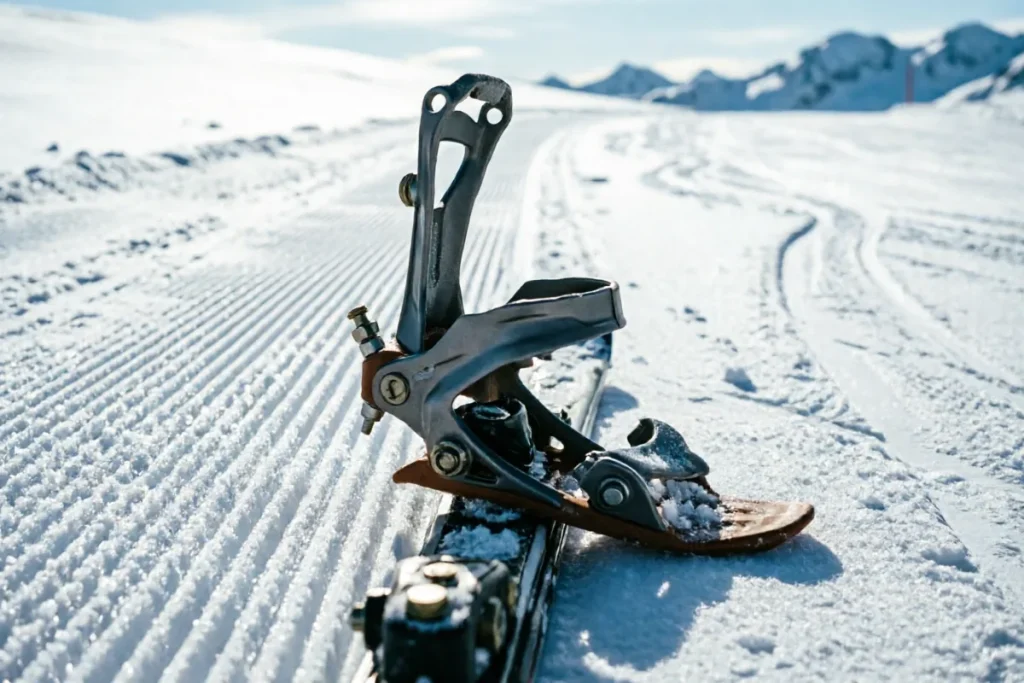
The Duke PT 16 is a hybrid binding: it combines a touring function for climbing with a downhill setup intended to perform more like an alpine binding. That combination targets skiers who want to tour without giving up the security and power associated with resort use. The reported benefit is not that the binding climbs like a dedicated touring model, but that it offers a more downhill-focused alternative among lighter options.
Its release and retention function is described as better than that of other bindings in the comparison. Those characteristics matter because a binding must hold the boot during skiing while also releasing when required. The review summary does not identify a particular release setting, test method or named comparison model for that finding, so it supports a general distinction rather than a precise ranking.
Downhill performance comes with weight
On the descent, the Duke PT 16 is described as delivering acceptable resort performance. A separate comparison of the Marker Duke PT and Salomon SHIFT says both provide downhill performance equal to their alpine counterparts, naming the Jester 16 and Warden. That comparison offers useful context for the hybrid category, but it does not establish a direct test result for every version or condition.
The trade-off is substantial mass. The Duke PT 16 is described as eight times the weight of the lightest binding tested and 12 times the weight of the lightest options on the market. Its downhill performance is also described as twice that of other lightweight options. These are striking comparisons, but the underlying test details and the identities of the compared bindings are not given here; they should not be read as universal measurements across all products.
Who the compromise affects
The binding’s appeal depends on how much of your skiing is spent descending versus climbing. For resort use and touring routes where downhill performance matters more than carrying less weight, its alpine-oriented feel and release and retention characteristics may be relevant. For longer climbs, the added mass and more complicated design work against the central advantage of a touring binding: reducing the effort of moving uphill.
The available assessment calls the Duke PT 16 too heavy and complicated to compete with actual touring bindings. That does not erase its downhill strengths; it defines the audience more narrowly. Skiers seeking one binding for both modes face a choice between a more downhill-focused setup and a lighter, simpler tool for touring. The review findings do not identify a route length, snow condition or skier profile at which that balance changes.
What remains unresolved
There is no definitive overall verdict on the Duke PT 16’s uphill-versus-downhill balance. The reported comparisons point in opposite directions: stronger downhill performance and acceptable resort use on one side, a pronounced weight penalty and added complexity on the other. Without test conditions or a single common measure for both climbing and descending, those findings do not produce a universal winner.
The specific comparison set also matters. A claim that the binding is several times heavier depends on which lightest model is used as the baseline; a claim of better downhill performance depends on which lightweight binding is being compared. Check the full review’s test methodology and the exact models behind each comparison before treating those ratios as a direct guide to your own touring days.
Sources
- skimag.com — “Salomon SHIFT or Marker Duke PT: Which Ski Binding is Better?”
- Tested & Ranked — “The Best Backcountry Ski Bindings”
- SkiEssentials — “2023 ELAN RIPSTICK TOUR EARLY PRODUCT LAUNCH”
- Blister — “ATK launches new hybrid ski-touring binding, the 'Hy'”
- gearjunkie.com — “The Best Backcountry Ski Bindings of 2026”