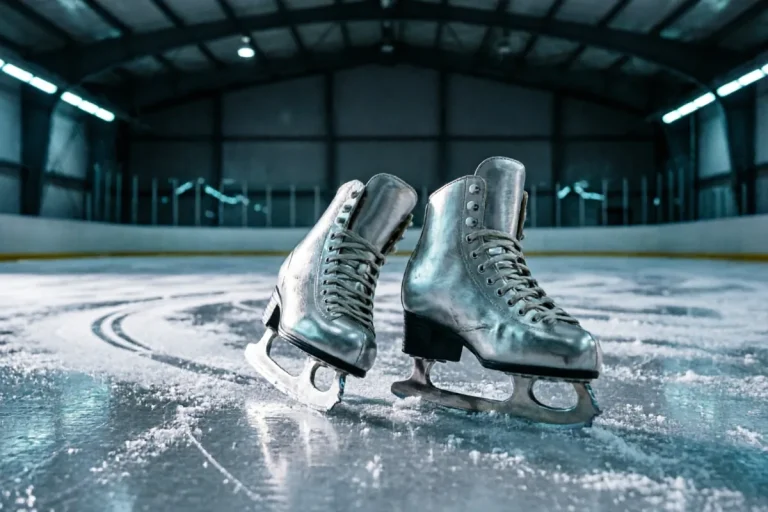
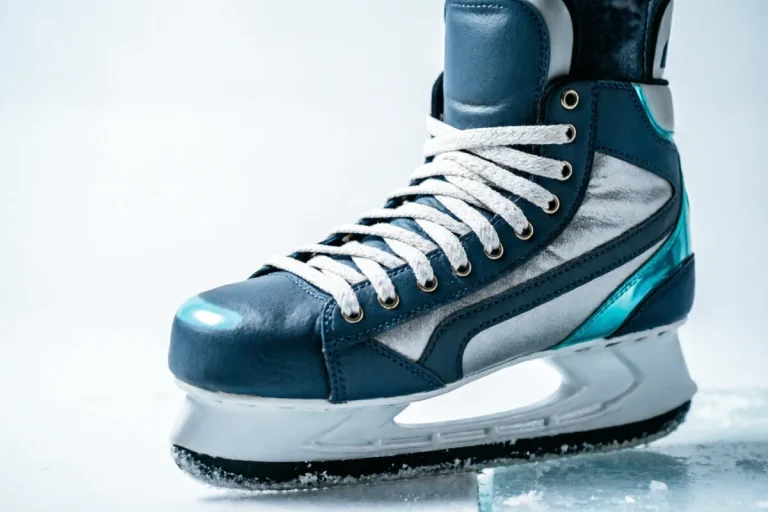
Figure Skating Boots vs. Recreational Skates
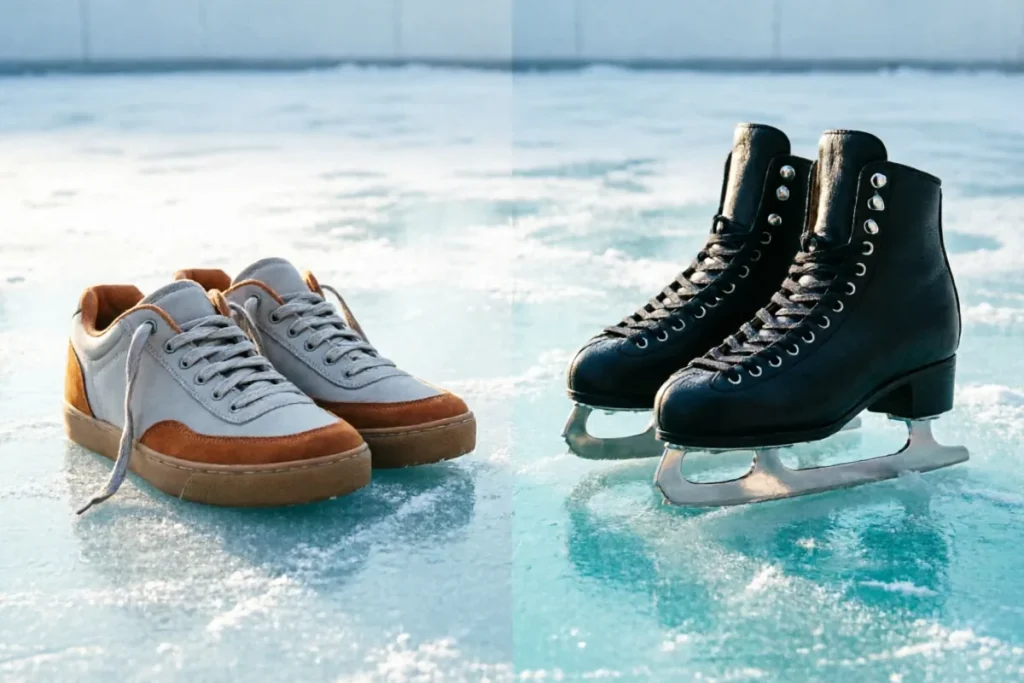
Figure skating boots are stiffer and have a toe pick; recreational skates are usually softer and designed for comfortable, general skating. Choose based on how you plan to skate.
The numbers
figure skaters in the U.S.
figure skaters in Canada
share held by specialty stores
Figure skating boots support the ankle during edge work, turns and jumps, while the blade’s toe pick helps with certain steps and take-offs. Recreational skates are often easier to wear for casual laps, but offer less specialised support.
The right choice depends on fit, skating experience and intended use. Here’s how to compare figure skating boots vs. recreational skates before you buy.
| Criterion | Recreational skates | Figure skates |
|---|---|---|
| Best fit | Public sessions and basic classes | Figure-skating lessons and progression |
| Boot guidance | Around 20 to 30 for basic movements | Around 40 to 50 for regular lessons and freestyle work |
| Blade detail | Designed for basic recreational skating | Toe pick can aid traction or catch a beginner |
| Main trade-off | May not match increasing training demands | May be more boot than a casual skater needs |
What separates figure skates from recreational skates?
Figure skates differ from recreational skates because they pair a skating boot with a blade that has a toe pick, while recreational models are made for public sessions and basic skating, balancing comfort with support.
Figure skates: The toe pick can provide traction, but it may catch the ice during a beginner’s first strides. It is not needed for swizzles or crossovers, so its presence does not make a figure skate the automatic choice for learning those skills.
Recreational skates: These are intended for casual rink use and basic movements. Their balance of comfort and support suits skaters who want to practise without choosing equipment for figure-skating performance.
Choose for the skating you plan to do
- Public sessions and basic skating: Recreational skates provide a practical balance of comfort and support.
- Figure skating: A figure skate’s toe pick can help with traction, but beginners may need time to adjust to it.
- Swizzles and crossovers: These skills do not require a toe pick.
You do not need competition equipment simply because you are a beginner. Choose for the skating you expect to do, and try the skates on before buying so the fit and support work for you.
Which boot support suits your skating plans?
A recreational boot rated around 20 to 30 suits public sessions and basic Learn to Skate classes, while a boot rated around 40 to 50 is worth considering for regular lessons and work toward freestyle levels.
Match stiffness to training
Boot stiffness describes how much the boot resists ankle flex. A higher rating is not automatically better for a beginner: the right choice depends on what you skate and how often you train.
- Public sessions and basic Learn to Skate: A recreational boot around 20 to 30 can support swizzles, crossovers and basic spins.
- Regular lessons and freestyle work: Consider a boot around 40 to 50 as training demands increase.
For casual use, recreational skates are the practical choice. They provide support for basic movement without requiring the stiffer boot used for more demanding training.
A more supportive figure-skating boot becomes relevant as you progress through regular lessons toward freestyle levels. If you are starting out, choose for your current skating rather than assuming that the stiffest boot will help you learn faster.
How do blade design and progression change the decision?
Blade design should match the skills you are practising now: a recreational skate can handle basic movements, while a figure skate becomes a progression choice as lessons move toward spins or jumps.
A figure-skate blade’s toe pick is functional, not decorative. It supports take-offs for jumps, but its teeth can feel intrusive to beginners who are learning to glide and turn. The response varies: some skaters value the extra traction during their first strides, while others prefer a blade without a toe pick.
- Recreational skates: A practical choice for basic movements if you find a toe pick distracting or want a blade without one.
- Figure skates: Consider them when your lessons include skills that use the toe pick, such as jumps; the pick’s presence alone does not make them the right first skate.
Let lessons set the next step
Choose for the skills you are working on, then ask your instructor to reassess as your lessons progress toward spins or jumps. If you are still practising basic movements, there is no automatic need to switch from recreational skates. Notice whether the toe pick helps your initial strides or catches your attention, and use that experience to guide the next conversation with your instructor.
How do costs and access affect the choice?
Cost and access favor starting with a boot matched to your current skating, then upgrading when your training plans call for more support. Advanced figure-skating equipment can be costly, and buying it before you know whether you will take regular lessons or work toward jumps may mean paying for support you do not yet need.
Fit before features
Participation numbers show the scale of skating, not a single equipment need: there are 222,890 figure skaters in the U.S. and 161,784 in Canada. A recreational skater and someone training regularly can have different boot requirements, even if both skate on the same kind of ice.
Specialty Stores hold the largest share at 50.3%, reflecting the role of personalized fitting and expert advice when buying high-quality equipment. That matters because a stiffness rating alone cannot tell you whether a boot fits your foot or suits your skating plans.
- Recreational skating: A softer boot rated around 20 to 30 is described as sufficient for basic movements and public skating.
- Regular lessons: A stiffer boot rated around 40 to 50 may suit skaters working toward jumps, but the rating should be considered alongside fit and intended use.
Ask a specialty shop to assess your fit and intended use before choosing a boot. If you are unsure how much training you will do, start with the level of support you need now and revisit the choice as your plans develop.
When is a recreational skate the wrong choice?
A recreational skate may be the wrong choice if you take regular lessons and are working toward freestyle levels or jumps: its softer boot may not provide the support those skills call for.
A stiff figure-skating boot can be the wrong match for relaxed public skating. If you mainly want to cruise comfortably, a more supportive boot may feel restrictive rather than useful.
- Regular lessons and jumps: A boot rated around 40 to 50 is suggested for this progression; recreational boots around 20 to 30 are aimed at basic movements.
- Easy public skating: A softer recreational boot can be more comfortable when you are not working on freestyle skills.
- Toe-pick trouble: If the pick catches or trips you, ask an instructor or skate professional to review your technique and equipment before deciding the blade is defective.
These stiffness ranges are guidance, not a universal prescription. Fit and comfort still matter, as does what you are learning: try the boot on and check that it supports your ankle without causing pain or preventing the movement your lessons require.
Frequently asked questions
Do beginners need figure skates?
When should I consider a stiffer figure-skating boot?
Can a figure skate’s toe pick make learning harder?
Should I buy a boot by its stiffness rating alone?
Key takeaways
- A recreational boot rated around 20 to 30 can suit public skating and basic classes.
- Regular lessons and work toward freestyle levels point toward boots rated around 40 to 50.
- A figure skate’s toe pick can help with traction or feel intrusive during early strides.
- Fit and training goals matter more than buying the stiffest boot available.
Sources
- adultsskatetoo.com — “Best Figure Skates for Adult Beginners: Boots, Blades, and Stiffness Guide”
- ghskates.com — “Find Your Perfect Boots”
- themadspinner.com — “Figure Skating Gear for Beginners: What You Actually Need to Get Started – The Mad Spinner”
- skatepro.com — “Ice Skates for Beginners and Intermediates: Buying Tips”
- prostockhockey.com — “Hockey Skates vs. Figure Skates: Which Are Best for You? – Pro Stock Hockey”