Introducing Young Children to Ice Skating: A Parent’s Guide
Introducing young children to ice skating is best done through patient encouragement, age-appropriate equipment, and creating a fun, low-pressure environment that builds their confidence on the ice. Starting with basic balance and movement skills helps children develop comfort and enthusiasm for skating as they grow.
Updated: September 28, 2026
Ice skating offers a wonderful combination of physical exercise, coordination, and joyful play, making it an ideal activity for young children. However, parents may wonder how to approach the first steps—literally and figuratively—to ensure a positive experience. This guide will explore practical tips and strategies to help parents introduce their little ones to ice skating in a way that fosters both safety and excitement.
From choosing the right skates to finding suitable beginner lessons and encouraging gradual skill-building, the journey of introducing young children to ice skating involves mindful preparation and lots of patience. With the right approach, parents can help their children discover a lifelong love for gliding on ice.
| Model | Price Range (USD) | Recommended Age | Key Feature |
|---|---|---|---|
| CCM Tacks 9050 | $90-$110 | 3-6 years | Good ankle support, durable boot |
| Bauer NSX Youth | $70-$95 | 3-7 years | Lightweight with flexible blade |
| Jackson SoftSkate | $60-$80 | 3-5 years | Comfortable fit, beginner-friendly |
| Riedell R3 | $110-$130 | 4-7 years | High-quality leather, strong blade |
What age is ideal for introducing children to ice skating?
Recommended Starting Age
Most skating schools and organizations agree that children should begin ice skating lessons between the ages of 3 and 4 years to develop basic balance and motor skills effectively. The U.S. Figure Skating Association specifically recommends starting no earlier than age 3, as this aligns with children’s physical readiness for safe skating. For example, many local rinks, including the Ice Den in Scottsdale, Arizona, offer “Learn to Skate” programs designed for children starting at age 3, providing tailored instruction and age-appropriate equipment. These programs typically charge between $100 and $150 for an 8-week beginner session, making them accessible options for families eager to introduce their children to skating.
Physical Readiness
Children younger than 3 years often lack the coordination, muscle strength, and balance necessary for skating, which significantly increases their risk of falls and injuries. Skating requires sufficient lower-body strength and motor control, which generally develop around age 3 to 4. Key factors that determine readiness include:
- Coordination: Ability to maintain balance on skates without frequent falls.
- Muscle strength: Capability to stand and push off the ice safely.
- Attention span: Capacity to follow basic instructions during lessons.
Waiting until children reach these physical milestones helps ensure a safer and more enjoyable introduction to ice skating, reducing injury risks and boosting confidence on the ice.
What equipment should parents buy first for young beginner skaters?
Skates and Safety Gear
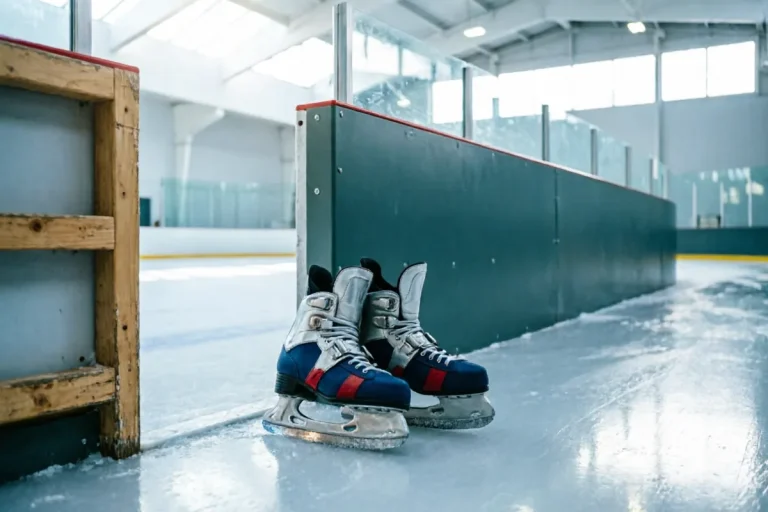
For young beginner skaters aged 3 to 6, the first essential equipment is a pair of properly fitting ice skates that offer good ankle support, such as the CCM Tacks 9050, which typically cost between $90 and $110. Equally important is a quality helmet to protect against head injuries; a multi-impact hockey helmet like the Bauer IMS 5.0 is recommended and priced around $50 to $70. Ensuring that children wear helmets designed for hockey provides better coverage and impact resistance compared to generic helmets.
Protective Accessories
In addition to skates and helmets, parents should invest in accessories that reduce injury risk during falls. Skate guards, which protect skate blades off the ice, usually cost $10 to $15 and help maintain blade sharpness and safety when walking outside the rink. Thick gloves and knee pads are also crucial for young skaters, with prices generally ranging from $15 to $30 per piece. These items cushion falls and prevent scrapes and bruises, making them practical first purchases alongside skates and helmets.
- CCM Tacks 9050 ice skates: $90–$110, ages 3–6, proper ankle support
- Bauer IMS 5.0 helmet: $50–$70, multi-impact protection
- Skate guards: $10–$15, protect blades off ice
- Gloves and knee pads: $15–$30 each, reduce injury risk
How can parents prepare children mentally and physically for their first ice skating lessons?
Physical Preparation
Parents can prepare children physically for their first ice skating lessons by focusing on balance and core stability exercises before stepping on the ice. Simple activities such as standing on one leg for 10 to 15 seconds can significantly improve core strength, which is crucial for maintaining stability while skating. Additionally, using synthetic practice mats designed for skating simulations, like the IceMat by Synthetic Ice Technologies, allows children to experience gliding motions and build confidence without the intimidation of real ice. These mats typically cost between $150 and $300, making them an affordable tool for home practice.
Lesson Environment
Choosing the right environment for the initial skating lessons helps reduce anxiety and fatigue in young beginners. Scheduling lessons during off-peak hours, such as weekday mornings or early afternoons, ensures fewer skaters on the ice, creating a less crowded and more controlled atmosphere. Most beginner lessons last between 30 and 45 minutes, a duration recommended by skating schools to maintain children’s attention and prevent exhaustion. Parents should expect to pay around $20 to $40 per session at community rinks or skating academies, depending on the region and facility.
- Balance exercise threshold: 10–15 seconds standing on one leg
- Practice equipment: IceMat synthetic ice surface, $150–$300
- Optimal lesson length: 30–45 minutes to avoid fatigue
- Lesson timing: off-peak hours, e.g., weekday mornings
- Lesson cost range: $20–$40 per session
What are common mistakes parents should avoid when starting young children on ice skating?
Equipment Fit
One of the most common mistakes parents make when starting young children on ice skating is purchasing skates that are too large, which compromises control and increases the risk of falls. Properly fitting skates should be snug with about 1 centimeter of growth room to allow for foot expansion without excess space. For example, the Bauer NSX youth skates, a popular model priced around $80-$120, offer precise sizing options that help maintain stability. Ill-fitting skates can cause discomfort and impair balance, making early skating experiences frustrating for toddlers.
- Skate fit allowance: approximately 1 cm growth room
- Recommended model example: Bauer NSX youth skates ($80-$120)
- Consequence of large skates: increased fall risk and reduced control
Learning Pace
Rushing children to master advanced techniques before they have solid balance and stopping skills is another frequent error. Young skaters should first develop fundamental abilities such as standing steadily and learning to stop safely using basic techniques like the snowplow stop. Additionally, neglecting a proper warm-up routine can lead to muscle strain or injury; simple stretches before skating help prepare muscles and joints. Parents should also be mindful of toddlers’ limited stamina, as sessions longer than 30 to 45 minutes can cause fatigue and diminish enjoyment, potentially discouraging ongoing participation.
- Recommended session length for toddlers: 30–45 minutes
- Essential skills before advancing: balance and stopping (e.g., snowplow stop)
- Importance of warm-up stretches: reduces muscle strain and injury risk
How much do beginner ice skating lessons typically cost and where can parents find affordable options?
Lesson Pricing
Beginner ice skating lessons for young children typically cost between $12 and $20 per group session at community ice rinks. Facilities like Chelsea Piers in New York charge around this range, making it a common benchmark for urban areas. Non-profit organizations often provide more affordable seasonal programs, with fees under $15 per lesson to encourage wider participation among families.
Rental and Package Deals
Parents should consider additional costs for skating gear rental, which usually adds $5 to $10 per session if they do not own equipment. Many municipal rinks offer discounted lesson packages, such as six sessions for approximately $100, helping families reduce overall expenses. These package deals combined with affordable rental fees make entry-level skating lessons financially accessible.
- Group lesson cost: $12–$20 per session at community rinks like Chelsea Piers
- Seasonal non-profit program fees: under $15 per lesson
- Skate rental fees: $5–$10 per session if no personal equipment
- Discounted lesson packages: six sessions for about $100 at local municipal rinks
Frequently asked questions
Is it necessary for young children to wear helmets when ice skating?
Yes, helmets like the Bauer IMS 5.0, costing around $60, significantly reduce head injury risk and are recommended for all beginner skaters under age 8.
How often should young children practice ice skating to improve skills?
Two to three 30- to 45-minute sessions per week balance skill development with rest and prevent overexertion.
Can toddlers use figure skates or should they stick to hockey skates?
Hockey skates such as CCM Tacks 9050 offer better ankle support and are generally preferred for beginners aged 3 to 6.
What is the recommended temperature range for indoor rinks to keep young children comfortable?
Indoor rink temperatures between 55°F and 60°F (13°C to 16°C) maintain ice quality while preventing children from getting too cold.
Key takeaways
- Start skating lessons no earlier than age 3 following U.S. Figure Skating guidelines
- Invest in properly fitting CCM Tacks 9050 skates and helmets like Bauer IMS 5.0 for safety
- Limit sessions to 30-45 minutes to match toddlers’ attention spans and stamina
- Purchase or rent protective gear including helmets, gloves, and knee pads to prevent injuries
- Seek affordable group lessons averaging $12-$20 at community rinks with package discounts