Hockey: What Stick Flex Means for Your Shot
Stick flex is how much an ice hockey stick bends under force, and it affects how readily you can load and release a shot. A lower flex bends more easily; a higher flex takes more force to bend.
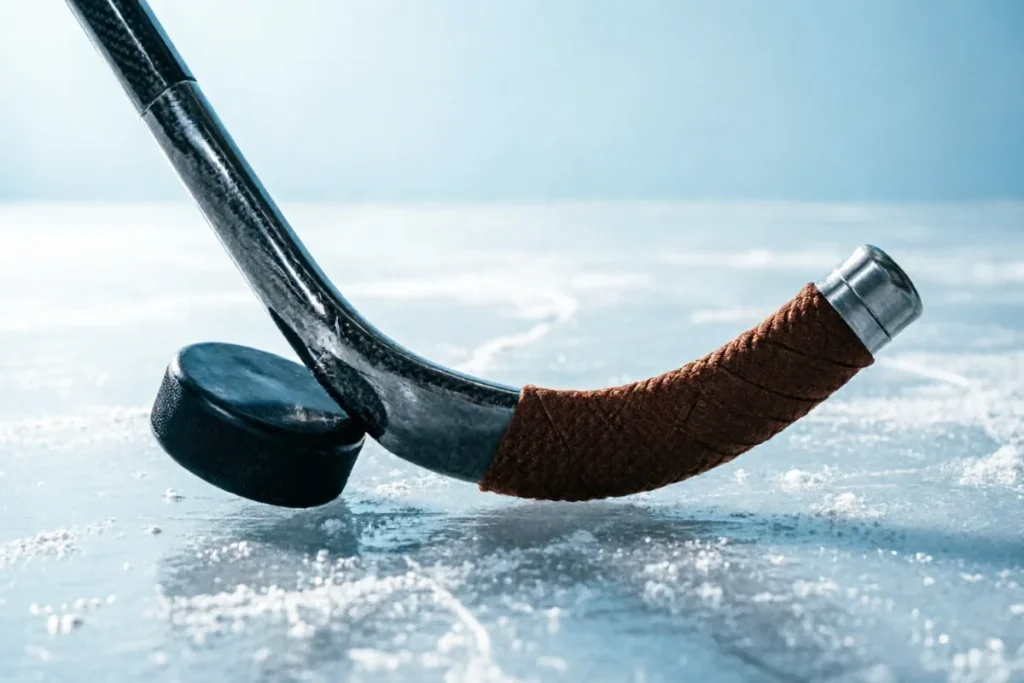
That bend helps store energy as you shoot, but the right flex depends on your strength, technique and preference. Understanding what stick flex means for your shot can help you choose a stick that feels controlled and lets you release the puck comfortably.
| Player or shot profile | Starting flex guidance | What to check |
|---|---|---|
| Stronger adult player | 70–75 flex | Can the player load the shaft with a normal shot? |
| Average adult player | 65 flex | Does the release feel controlled and repeatable? |
| Younger or smaller player | 50–55 flex | Can the player bend the shaft without forcing technique? |
| Quick wrist-shot preference | Lower flex may suit | Does the player control the bend through release? |
| Slap-shot preference | Higher flex may suit | Can the player still load the shaft effectively? |
What does hockey stick flex measure?
Hockey stick flex measures how much the shaft bends under force during a shot; a lower flex rating means the stick is more flexible and feels whippier. As the player shoots, they load the shaft by bending it, then release that bend as the blade drives the puck. Flex describes the shaft’s response to force, not a guaranteed measure of the shot’s speed or power.
How to judge the rating
The printed flex rating is a starting point for comparing sticks, not a promise of performance. A useful fit lets a player feel the shaft load during a shot without changing their shooting motion just to make the stick bend.
- Lower flex: The shaft bends more readily under force.
- Higher flex: The shaft is stiffer and takes more force to bend.
- Fit criterion: Choose a flex that loads naturally with your usual shooting motion; the number alone cannot predict shot speed or power.
How should player weight guide a flex choice?
Start with a range, then test
Use 70–75 flex as a first trial for a stronger adult player, 65 flex for an average adult, and 50–55 flex for a younger or smaller player. These are starting points, not fixed prescriptions: the right choice is one the player can bend comfortably while shooting with their normal technique.
- Stronger adult: Try 70–75 flex, then check whether the shaft loads without forcing a change in shooting form.
- Average adult: Start at 65 flex and assess the same comfortable bend during a familiar shot.
- Younger or smaller player: Begin with 50–55 flex and test whether the player can load the shaft naturally.
Use more than body weight
The old adult shortcut of dividing body weight by two is outdated, so do not treat it as a buying formula. Player size is relevant, but strength and shooting technique also affect whether a stick feels workable; two players of similar size may not prefer the same flex.
During a test, have the player shoot as they normally do and notice whether they can bend the shaft comfortably. If loading it feels difficult, the starting flex may be too stiff for that player; prioritize a comfortable, controlled shot over matching a weight-based calculation.
How do wrist shots and slap shots change the choice?
A lower-flex stick can suit a player seeking a quick wrist-shot release, while a higher-flex stick may suit a player who relies more on slap shots—if they can bend it effectively. The difference is how readily the shaft loads under force: lower flex bends more easily, but choosing a stiffer stick can make a wrist shot’s smooth loading-and-release motion feel difficult.
- Wrist shots: Look for a flex that lets you create shaft bend smoothly and release the puck without forcing the motion. A lower-flex stick may make that quick release easier to achieve.
- Slap shots: Consider higher flex if you can load the shaft effectively during your shot. Stiffness alone does not help if you cannot make the stick bend.
Compare flex options with the same puck and the same type of shot, so the stick—not a change in technique or equipment—is the main variable. Notice whether the release feels controlled and repeatable, rather than judging the stick only by how forceful the shot feels.
What are the signs that a stick is too stiff or too whippy?
Read the feel, not just the label.
A stick is too stiff if its shaft barely loads during a normal shot and you have to strain or alter your technique to bend it; it is too whippy if the bend is hard to control, the puck’s release feels inconsistent, or the blade is difficult to direct. Judge flex by what happens in your own shot, not by the number printed on the shaft.
- Too stiff: The shaft does not seem to bend when you shoot normally, so generating a strong shot takes extra effort or a changed motion.
- Too whippy: The shaft bends beyond what you can manage, making it harder to send the puck where you intend.
A stiff stick can leave shots feeling weak when you cannot load the shaft effectively. Before copying a professional player’s setup or changing your shooting motion, try a lower flex and see whether you can bend the stick naturally during a shot.
A softer stick can make puck direction and release less predictable if its bend exceeds your control. Compare it with a firmer option before deciding that the problem is your shot technique; the useful choice is the flex that lets you load the shaft and guide the blade comfortably.
When does flex advice have limits?
A hockey-stick flex number is a starting point, not a final prescription, because it cannot capture a player’s strength, technique, mix of shots or personal feel. A weight-based range can narrow the options, but the choice still needs to work for the way the player loads and releases the stick.
Professional players’ flex ratings are not reliable choices by themselves: a player’s size and shooting mechanics may differ from yours. A stick that is too stiff can make it harder to load the shaft, while one that is too flexible can make the puck feel less predictable under control. Test a suitable range with your usual shots and judge both loading and handling, rather than copying a pro’s number.
Check the sport before following a flex guide
Field hockey and ice hockey use different sticks and play in different settings, so advice for one should not be treated as guidance for the other. NCAA Field Hockey Statistics & Records is a resource for field-hockey statistics and records, not recommendations for ice-hockey stick flex.
What does stick flex have to do with the different forms of hockey?
Stick flex is an ice-hockey equipment choice, while hockey’s rule categories describe different forms of the sport; one does not determine the other. A flex rating describes how much an ice-hockey stick bends under force, affecting how it loads and releases a shot, so choose it for your stick and shooting needs—not from a field-hockey or Para Hockey rulebook.
Separate rule categories, separate references
The international governing body for hockey says its rules cover Outdoor Hockey (11 a-side), Indoor Hockey, Hockey5s, Beach and Para Hockey (Hockey ID). The rules were revised with effect from 1 June 2026 in preparation for the first Para Hockey World Cup, held in Belgium and the Netherlands in August 2026; those rule changes concern the sport’s rules, not ice-hockey stick-flex selection.
NCAA Field Hockey Statistics & Records provides access to field hockey statistics and records resources. It is a field-hockey reference, not a guide to choosing an ice-hockey stick flex: use the stick’s flex rating and how it loads during your shot to make that equipment decision.
Frequently asked questions
What does a lower hockey stick flex number mean?
It means the stick is more flexible and bends more readily under force. That can suit a player seeking a quick wrist-shot release if they can control the bend.
Is the divide-by-two rule reliable for adult players?
No. The divide-by-two shortcut is outdated for adults; use a flex range as a starting point and check whether the player can load the stick with their normal shot.
Should a wrist-shot player use lower flex?
Often, a lower flex suits a player who wants the shaft to load readily for a quick wrist shot. The player still needs to control the bend and release.
What should I try if my stick feels too stiff?
Check whether the shaft loads during a normal shot without forcing your technique. If it barely bends, test a lower-flex option against your usual shot.
Key takeaways
- Flex measures how much the hockey stick shaft bends under shooting force.
- Use 70–75 flex for stronger adult players, 65 flex for average adult players, and 50–55 flex for younger or smaller players as starting guidance.
- Lower flex can help a quick wrist-shot release; some slap-shot players may prefer higher flex.
- A shaft that will not load may be too stiff; a bend that feels hard to control may be too whippy.
- The adult divide-by-two rule is outdated, and professional-player flex is not a universal template.
Sources
- ccmhockey.com — “Flex on Hockeystick – what is that?”
- Sandbar Hockey Company — “The Science of Hockey Stick Flex: What Flex Should You Use?”
- ALL Hockey Sticks — “Stick Flex Guide for 2026: What Flex Should I Use?”
- discoverhockey.com — “What Does Hockey Stick Flex Mean?”
- sportsexcellence.com — “Hockey Stick Flex Explained: A Full Guide”