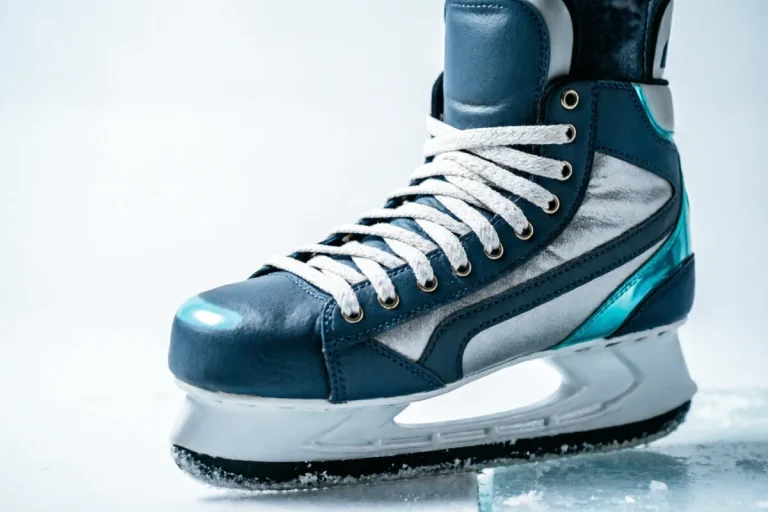
Felt, Molded or Hybrid Hockey Skate Tongues?
Felt tongues offer a softer, flexible feel; molded tongues add structured protection; hybrid tongues combine both approaches. The right choice depends on how much padding, stiffness and lace-bite protection you want.
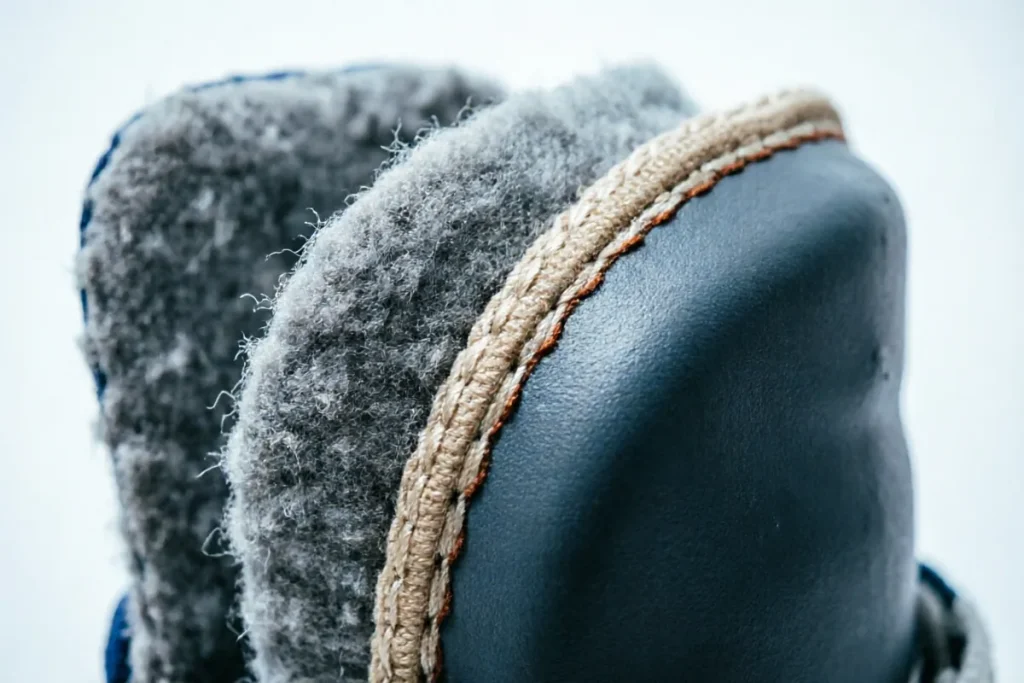
Hockey skate tongues sit between your shin and the boot’s laces, so their construction affects comfort, fit and how pressure is distributed across the front of your lower leg. A tongue that feels protective in the shop may also feel bulky or restrictive once you skate.
Felt, molded or hybrid hockey skate tongues each balance padding and structure differently. Compare how they feel with your skates laced as you normally wear them, and check that the tongue stays centred without pressing uncomfortably against your shin.
| Construction | Named example | Stated fit or performance detail |
|---|---|---|
| Felt | Bauer Supreme S22 | Comfort and stability |
| Molded | ADPT Comfort Tongue with FlexMotion Lace Bite | Forward flex and lace-bite protection |
| Hybrid | Aerolite tongue in Bauer Vapor FLYLITE | Snug fit and enhanced comfort |
| Asymmetrical felt | CCM Jetspeed FT670 | Asymmetrical felt tongue |
- 30oz Felt tongue in the Bauer Supreme S22
How do felt, molded and hybrid tongues compare?
Felt, molded and hybrid hockey skate tongues trade off lace-bite protection, forward flex, comfort and fit differently; none is the best choice for every skater.
- Felt: The Bauer Supreme S22 uses a 30oz felt tongue, a traditional soft construction. Its defining feature is the felt build; check how it feels under the laces and whether it gives you the fit and support you want.
- Molded: The ADPT Comfort Tongue has a molded core and FlexMotion Lace Bite protection. That construction makes lace-bite protection and forward flex central comparison points, but the fit still depends on how the tongue sits against your foot and shin.
- Hybrid: The Aerolite tongue in the Bauer Vapor FLYLITE combines elements of felt and molded construction. It is an option to consider if you want a blend rather than a purely felt or molded design; try it in the skate to assess comfort and fit.
Compare the designs by feel in your own skates, not by category name alone. A tongue that protects against lace bite may feel different under forward flex, while a softer construction may suit your foot better without providing the same sensation of support.
Which tongue suits your fit and skating style?
Choose a felt tongue for a comfort-and-stability feel, a molded tongue when forward flex and lace-bite protection are priorities, or a hybrid if you want felt and molded elements together; the right choice still depends on how it fits your foot.
- Felt — Bauer Supreme S22: Its felt tongue is associated with comfort and stability. Consider it if you prefer a felt construction, then check how it sits under your usual lacing.
- Molded — ADPT Comfort Tongue with FlexMotion Lace Bite: The molded core is designed to prioritise forward flex and lace-bite protection. Compare it with a felt tongue if those are the features you want to assess.
- Hybrid — Bauer Vapor FLYLITE: Its Aerolite tongue combines felt and molded elements, with a snug fit and enhanced comfort as the stated aims.
Try the tongue in your own skates with your usual lacing. A material label cannot tell you how the tongue will feel against your foot or under the laces; assess the fit in the boot you actually skate in.
How do replaceable felt tongues change the choice?
Replaceable felt tongues make it possible to consider felt as a separate skate part rather than choosing only among complete skate models; check that a replacement fits your skate before buying.
SidelineSwap lists True T-Guard Black Felt Replacement Skate Tongues and True T-Guard White Felt Replacement Skate Tongues. It also has a listing for New True Replacement Skate Tongues Metatarsal Guard White Felt marked Size 7-8.
What to check before choosing
- Compatibility: Confirm that the replacement tongue matches your skate before purchase; the listing names alone do not establish which skate models it fits.
- Construction: Felt, molded and hybrid tongues offer different combinations of comfort, protection and forward flex. A replacement listing makes felt a separate-part option, but does not establish how it compares with a molded or hybrid replacement.
- Cost: The listing details do not establish a price comparison between felt, molded and hybrid tongues. Check the current seller listing for the cost.
A replaceable tongue can give you another way to choose felt, but confirm fit and current price on the seller’s listing before deciding.
When can a tongue’s added guard be a drawback?
A tongue’s added met guard can be a drawback if it creates unwanted pressure at the laces or limits ankle movement, but removing it also changes the tongue’s supplied protection. The SidelineSwap seller says the met guards on the listed replacement tongues can be unstitched, though recommends leaving them on.
Before altering a replacement tongue, weigh the fit issue against the protection the guard provides. If the guard presses against your foot, check how the skate feels when laced and whether the pressure remains during movement; do not assume removing it is a neutral adjustment.
Check the fit in the boot
- Molded tongue: A molded design may suit a player seeking forward flex and lace-bite protection, but its description does not establish that it fits every skate or foot.
- Felt or hybrid tongue: The material label alone cannot tell you whether the tongue will feel right in your boot.
- Any tongue type: Check pressure around the lace area and move your ankle while wearing the skate. A comfortable feel at rest does not settle how the boot moves when laced.
Use felt, molded or hybrid as a description of construction, not as a stand-alone fit verdict. If you are considering unpicking a guard, first assess the tongue as supplied and decide whether the protection trade-off is acceptable.
What should you check before choosing a replacement?
Before choosing a replacement hockey skate tongue, confirm that its size and attachment are compatible with your skate, then compare its guard, construction, current price and availability with your needs.
- Size and fit: The SidelineSwap listing marked Size 7-8 applies to that specific tongue. Check the replacement’s own listing and confirm it fits your skate; do not treat the size designation as a universal tongue size.
- Guard and construction: Compare the tongue’s guard and whether it is felt, molded or hybrid with the protection and flexibility you want. A molded core, as in the ADPT Comfort Tongue with FlexMotion Lace Bite, differs in construction from the asymmetrical felt tongue described for the CCM Jetspeed FT670.
- Price and stock: Check the current listing before buying. Replacement tongues can differ by design, so do not assume one model’s price or availability applies to another.
If you are comparing complete skates
The CCM Jetspeed FT670 is described with an asymmetrical felt tongue. Its other listed features—the one-piece boot, HD microfibre lining and Speedblade XS system—do not establish how that tongue compares in weight or replacement cost. Check the tongue’s own specifications and the current replacement listing for those details.
Frequently asked questions
Which tongue offers the clearest lace-bite protection?
Are felt tongues more comfortable?
Can I replace a skate tongue instead of replacing the skate?
Are hybrid tongues lighter than felt tongues?
Sources
- Top Bauer, CCM & True Picks — “Best Hockey Skates for 2026”
- PolyGlide Ice — “Choose Wisely: The Ultimate Hockey Skates Guide (2026)”
- TheHockeyShop.com — “Bauer Vapor FLYLITE Skates Breakdown and Review”
- us.ccmhockey.com — “Ice Hockey Skates – CCM Hockey”
- MyBAUER — “Custom BAUER Hockey Skates”