Ice Skating vs. Roller Skating: What Transfers?
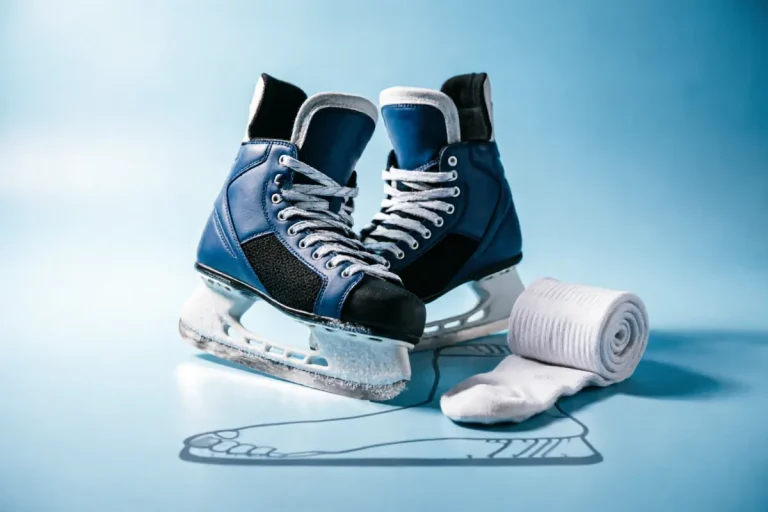
Ice skating and roller skating share balance, posture and basic movement skills, but ice technique does not transfer completely. The surface and wheels or blades change how you push, turn and stop.
The numbers
Skateworld admission with your own skates
Skateworld admission with skate rental
Skateworld Adult Skate Nights admission
That shared foundation can make switching skates feel familiar at first, while the different grip and glide demand adjustments. Here’s what carries over—and what you’ll need to relearn.
| Skill or feature | Ice skating | Roller skating |
|---|---|---|
| Balance | Thin blade on slippery ice; precise control matters | Wheels support the skate; adjust stance and lean |
| Edges | Blade has two sharp edges | Inline skating uses inside/outside edge terms for wheel sides |
| Stopping | Use a method suited to the blade and ice | Practise a method suited to inline or quad skates |
| Figure-skating lifts | Ice-specific execution | Floor lifts differ; do not assume direct transfer |
- 18+ Age listing for Skateworld Adult Skate Nights
What transfers between ice skating and roller skating?
Ice skating and roller skating share balance, body-weight awareness and the need to control a curve, but the same movement does not affect each skate in exactly the same way. On both, the skater must stay balanced over the narrow support beneath them: an ice blade or a line of roller wheels. That makes a steady posture and awareness of where your weight sits useful skills to carry between surfaces.
What the edge terms mean on inline skates
Inline skating borrows “inside edge” and “outside edge” from ice skating to describe leaning onto one side of the skate. The terms point to a shared idea, but the equipment differs: an ice blade has two sharp edges, while inline wheels do not. So knowing the language helps describe the movement, but it does not mean the two skates respond identically.
- Posture: A controlled stance can help on both ice and wheels, but the skater must adjust to each skate’s support.
- Body-weight awareness: Noticing where your weight sits is useful on both surfaces; its effect depends on the blade or wheels beneath you.
- Curve control: The habit of guiding a turn can transfer, but the way you lean and manage the skate needs to adapt.
How do edges feel different on blades and wheels?
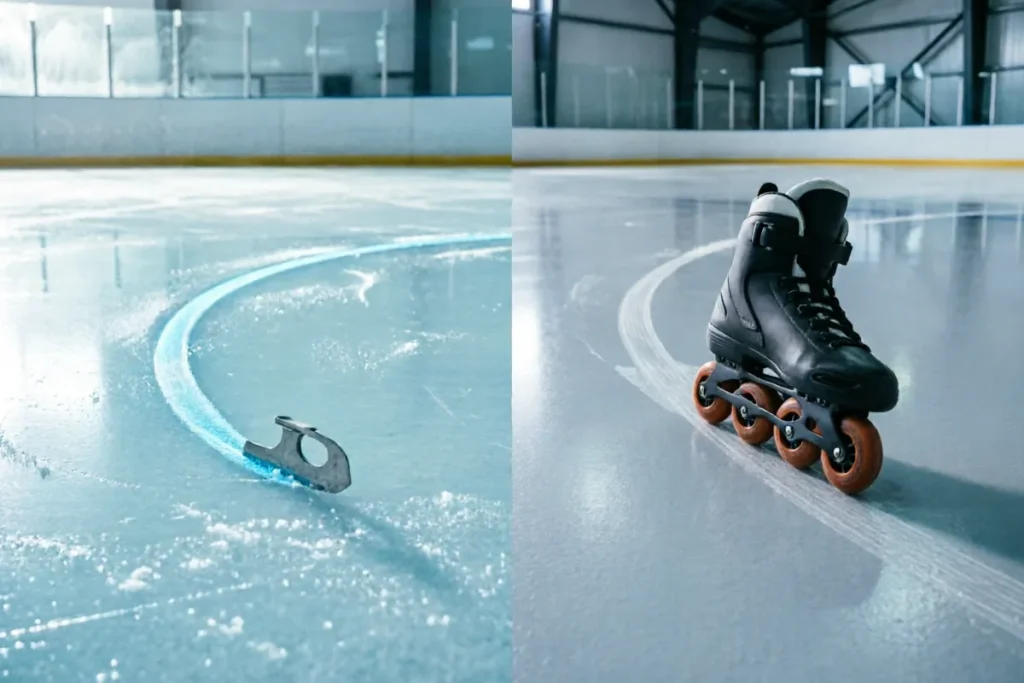
Ice and inline skate edges feel different because an ice blade’s two sharp edges grip the ice, while an inline skate rolls on wheels that have no matching blade edges. On ice, a skater changes direction by leaning and controlling which blade edge engages the surface. Inline skaters borrow the terms “inside edge” and “outside edge,” but those labels describe the wheel side facing toward or away from the skater’s body.
- Ice blade: The inside and outside edges are the two sharp sides of the blade; changing the lean and edge control helps guide a turn.
- Inline wheels: The edge terms refer to the side of the wheel facing toward or away from the skater, not to a sharp edge cutting into the surface.
Practise a gentle curve on each surface before trying sharper turns. On ice, focus on a controlled lean and blade edge; on inline skates, notice how the wheels roll through the curve. Familiar words can help you recognise a related idea, but they are a cue to adjust—not proof that the same technique will work on both surfaces.
Why does balance need adjustment when changing surfaces?
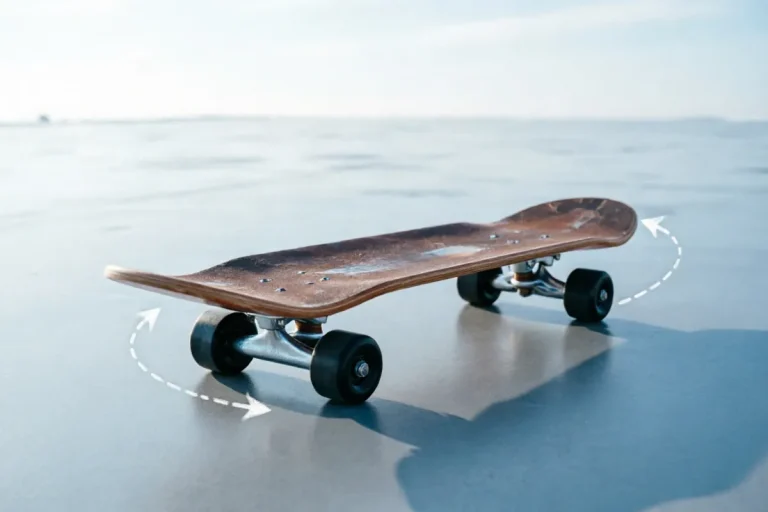
Balance needs adjustment when switching surfaces because an ice blade and a roller skate’s wheels respond differently to pressure and lean. On ice, the thin blade and slippery surface make precise control more demanding for many beginners; on wheels, the skate supports the foot across a different contact arrangement. Neither setup makes an ice-skating stance a reliable template for every roller skate.
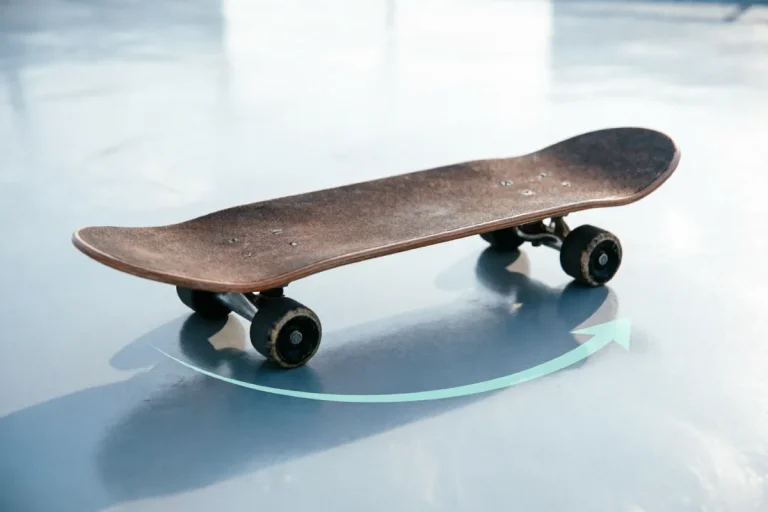
Roller skates also vary: inline skates place wheels in a line, while other roller skates use a different arrangement, so turning and balancing depend partly on the skate type. Begin each surface with a stable glide, then make small changes in lean rather than carrying over the same posture automatically. Keep the upper body quiet as you test how much pressure helps you hold a straight line and how much brings you into a curve.
What must you relearn about stopping?
Relearn the stopping action for the skates you are wearing: an ice blade and roller wheels meet the surface differently, so a stop that works on one may not be safe or effective on the other. Practise the appropriate method in a clear area at low speed before relying on it around other skaters.
Check the skate setup first
- Ice skates: The blade’s contact with the ice differs from the way wheels roll on a surface, so do not assume an ice-skating stop will carry over unchanged.
- Inline skates: The wheels sit in a line, and the skate’s setup affects how you stop. Check the equipment before choosing a stopping method.
- Quad skates: The wheels are arranged in pairs, not in a line. Do not treat quad and inline skates as interchangeable when practising a stop.
For any skate type, start slowly in a space clear of other people and practise until you can control the stop before skating near others. Recheck your technique whenever you switch between ice blades, inline skates and quad skates; familiar balance or edge language does not mean the stopping action transfers.
Which figure-skating skills do not transfer directly?
Figure-skating skills do not transfer directly when they depend on a particular surface, equipment or discipline-specific rules—especially lifts and advanced moves. Ice blades have edges that glide over ice, while roller skates use wheels on a floor, so similar-looking movement can require different technique.
Figure skating and artistic roller skating share broad movement ideas, but that does not make every element interchangeable. Inline skating uses the terms “inside edge” and “outside edge” borrowed from ice skating, yet its wheels do not have the sharp dual edges of an ice blade; shared terminology is not proof of identical technique.
Lifts and basic control
Lifts show the limits of transfer clearly: the permitted and practical ways to perform them on ice and on a floor differ. Learn each lift in the version taught for its discipline and surface rather than relying on its name or appearance.
For basic skating, build control before attempting advanced moves on another surface:
- Gliding: practise maintaining a controlled glide on the surface you are using.
- Turning: learn how turns work with that surface’s blades or wheels.
- Stopping: practise a stop designed for your skates instead of assuming an ice stop will work on roller skates, or vice versa.
What should you check before choosing a roller rink?
Before choosing a roller rink, check its current calendar, admission price, age restrictions and skate-rental availability. Skateworld lists admission as $15 with your own skates and $20 with skate rental; these are Skateworld-specific prices, not a general guide to roller-rink costs.
- Admission: Skateworld lists Adult Skate Nights as 18+ with admission of $18.
- Rental skates: If you do not own a pair, confirm with the rink that rental skates are available for the session you plan to attend.
- Session schedule: Check the rink’s current calendar before travelling, since hours and sessions can change.
Skateworld’s listed prices and Adult Skate Nights are details for that venue, not prices or rules to assume at another rink. Check the specific session’s age requirements and admission terms, then confirm the calendar and rental availability directly before setting out.
Frequently asked questions
Will ice-skating balance help on roller skates?
Yes, awareness of posture and body weight can help, but wheels contact the floor differently from an ice blade, so expect to adjust your lean.
Are inside and outside edges the same on inline skates?
The terms are used in inline skating, but inline wheels lack the sharp dual edges of an ice blade; the labels describe the wheel’s side relative to your body.
Can I use my ice-skating stop on roller skates?
Do not assume it will work. Stopping depends on the skate and surface, so practise the appropriate method for your inline or quad skates at low speed.
Do figure-skating lifts transfer to artistic roller skating?
Not directly in every respect: lifts performed on ice and on the floor differ, so learn the technique and rules for the discipline you are skating.
Key takeaways
- Posture and weight awareness can carry over, but blade and wheel contact differ.
- Inline skating borrows ice skating’s inside-edge and outside-edge terms without reproducing an ice blade’s dual edges.
- Relearn stopping for the specific skate type and surface; do not rely on a familiar ice stop.
- Ice and floor lifts have meaningful differences, so advanced figure-skating moves are not automatically transferable.
Sources
- skatehut.co.uk — “Is Ice Skating Harder Than Roller Skating?”
- goldenskate.com — “Figure skating and Artistic roller skating cross paths”
- rollerskatenation.com — “What's the Difference Between Roller Skating and”
- hockeygyms.com — “When to choose synthetic ice over roller blades for training?”
- skateworld.com — “Skateworld – Roller Skating Fun for Everyone!”