Why Some Rinks Stay Fast and Others Get Sloppy
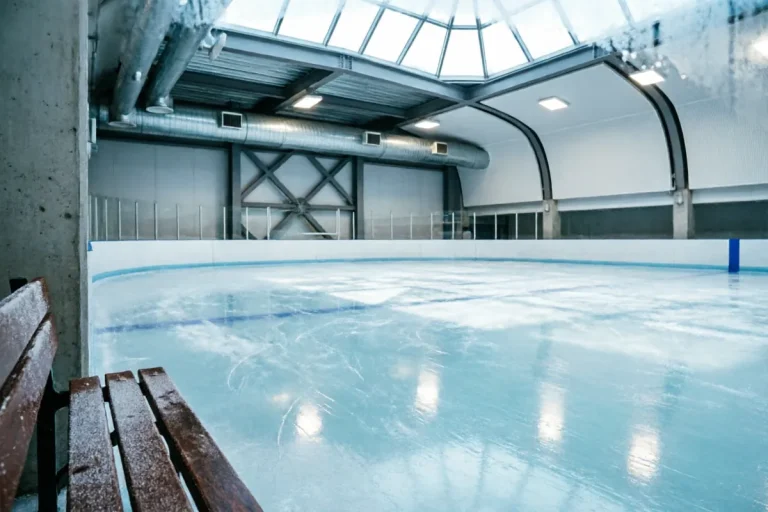
Some rinks stay fast because the ice is hard, smooth, and consistently cold, while others get sloppy when the surface softens, roughens, or collects too much moisture. Small changes in temperature, humidity, and maintenance can quickly turn a quick sheet into one that feels heavy and unpredictable.
That difference matters in every corner of winter sports, from speed-focused skating to hockey and freestyle sessions where edge control and glide decide how the ice feels underfoot. A rink can look fine at a glance and still play very differently once traffic, weather, and upkeep start to change the surface.
In Why Some Rinks Stay Fast and Others Get Sloppy, the real story is less about appearance than about conditions: how the ice is built, how it is managed, and how quickly it responds when the balance shifts. Understanding those factors explains why one rink rewards clean movement while another seems to fight every stride.
| Condition | What players feel | Typical result |
|---|---|---|
| Stable refrigeration | Harder top layer | Faster puck glide |
| High humidity | Tacky or damp surface | More drag and slower play |
| Delayed resurfacing | Snow buildup | Less edge grip and uneven speed |
| Uneven cooling | Different feel by zone | Inconsistent skating and passing |
How do refrigeration and humidity change ice speed?
Cold ice is not automatically fast
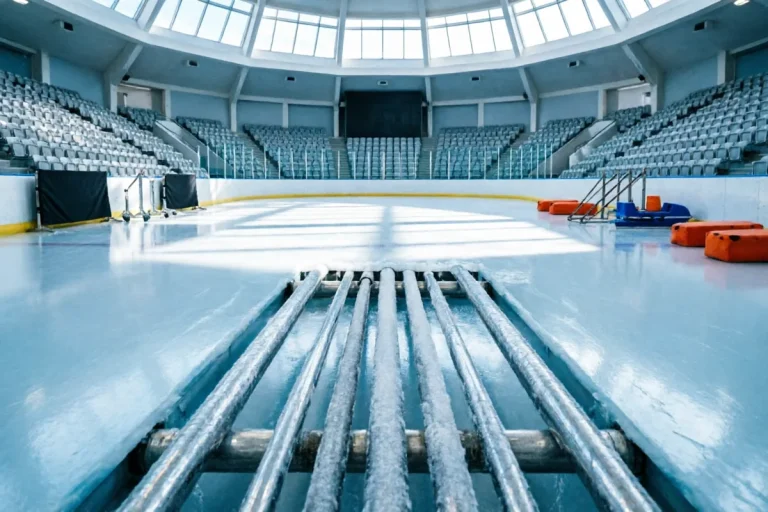
Refrigeration affects ice speed by controlling how hard the top layer feels, but cold alone does not guarantee a fast sheet: if the surface is too soft, skated-up, or coated with frost, the puck or blades lose glide. The ice sits above a refrigeration floor, so sub-surface cooling and surface temperature work together rather than separately.
Air moisture is part of the ice
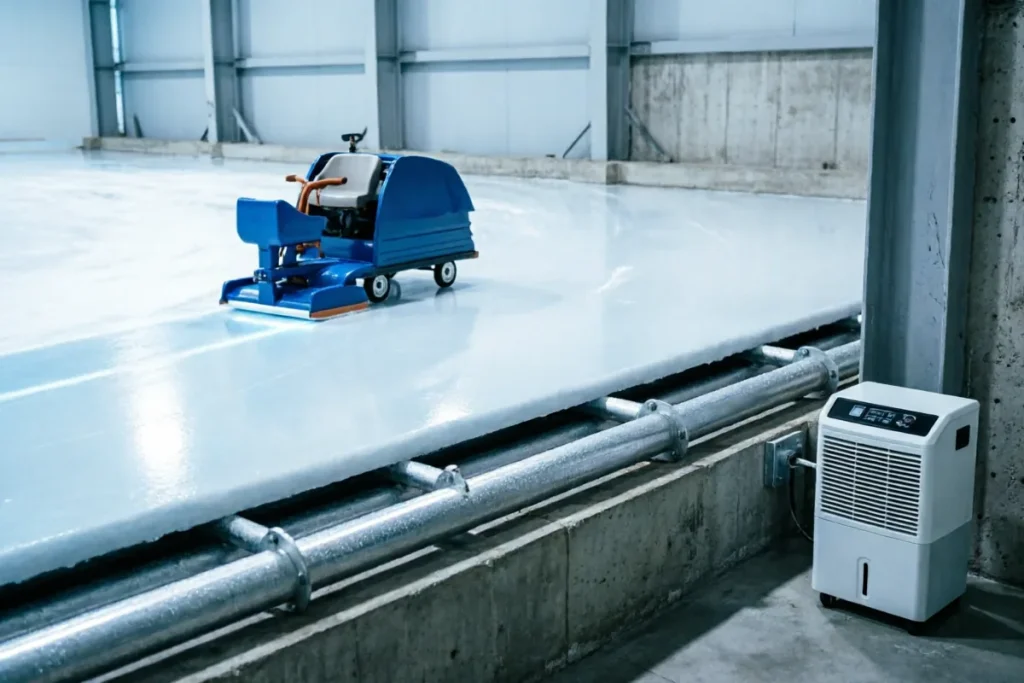
Humidity changes the way the surface behaves because moist air can leave the ice tacky, while drier air helps it stay cleaner and more even. A rink can still play slow when the air is cold if condensation, soft snow, or frost builds up on top, which adds drag and makes the sheet less consistent.
- Refrigeration: keeps the base cold enough for a firm top layer, but cannot fix surface debris on its own.
- Humidity: higher moisture can make the ice feel sticky; lower moisture supports a cleaner glide.
- Air handling: matters because it helps control condensation and limits frost formation.
- Surface cleaning: repeated scraping and maintenance matter because a clean sheet plays faster than one covered in snow.
The fastest rinks usually combine steady refrigeration, controlled air, and frequent resurfacing. The key interaction is the whole system: cooling, humidity management, and cleaning together decide whether the ice stays hard and quick or turns soft and sluggish.
What does resurfacing actually fix between periods?
What the machine removes
A resurfacer fixes the top layer by shaving off loose ice, collecting snow, and filling grooves so skates stop biting into rough patches and pucks keep their speed longer. The result is not a new sheet of ice, but a flatter, cleaner surface that plays more predictably between periods.
Why timing matters
If resurfacing is delayed, the scraped ice can pile up into white snow that makes the surface feel sticky, especially around the crease and along the boards. A steady, even pass matters because a rushed cut can leave ridges behind, while a consistent pass leaves the sheet flatter and more even.
- Good resurfacing: a uniform pass that clears shavings and smooths grooves.
- Late resurfacing: snow buildup that turns the ice white and sticky near the crease and boards.
- Limit of the machine: it resets the top layer, but it cannot fully overcome poor refrigeration or high humidity.
That limit is important: resurfacing can improve glide for the next shift, but it cannot fix a rink that is already fighting heat or moisture. In practice, the machine buys time by restoring the surface, not by solving the underlying ice-making conditions.
Why do some arenas play faster than others?
Building conditions shape the sheet
Some arenas play faster because the ice stays cold, dry and flat: stable refrigeration, controlled humidity and regular resurfacing keep the top layer hard instead of soft. When that balance slips, snow builds up, edges get softer and passes pick up more drag because the surface is no longer staying clean and level.
- Stable refrigeration keeps the sheet from warming unevenly and helps preserve a firm glide.
- Controlled humidity limits moisture in the building, which reduces frost and surface drag.
- Disciplined resurfacing schedules remove snow before it turns the ice rough and slow.
Game-night load changes the ice
Arena design also changes speed: enclosed buildings, airflow patterns and spectator heat can all alter how the surface behaves during a game. A rink can feel quicker on one night and heavier on the next if the building load changes or the ice is not managed the same way.
That is why two rinks with similar ice plants can still play differently. The result is not just temperature, but how the whole building handles moisture, air movement and the repeated wear of a live event.
When does ice quality start to hurt game quality?
What players notice first
Ice quality starts hurting game quality once visible snow builds up, the puck slows down, and skaters have to work harder to hold an edge. At that point, clean passes turn into awkward hops, one-touch plays lose pace, and even a simple push or stop takes more effort than it did earlier in the period.
Why consistency matters
Bad ice affects every position, not just the forwards trying to create offense. Goalies need the surface to let them recover quickly, and defenders need reliable traction to change direction, stop, and reset after a challenge.
- Passing: the puck can wobble or die in soft patches, making short exchanges less dependable.
- Edge control: skaters must fight for grip when snow and rough spots build up.
- Recovery speed: goalies and defenders lose time when push-offs and stops become sluggish.
- Period-to-period consistency: a rink that changes from one period to the next feels less predictable than one that stays firm and even.
That unpredictability is what makes sloppy ice so damaging: players cannot trust the same movement twice, so timing, spacing, and decision-making all become harder. A surface that stays consistent keeps the game faster, cleaner, and more repeatable from the first shift to the last.
When does this system not work well?
The limits of one fix
This system fails when one part is out of balance: weak humidity control can let frost and condensation form on ice that is already very cold, late resurfacing can leave the machine pushing snow instead of shaving to a clean sheet, and uneven refrigeration can make one end of the rink play differently from the other.
- Humidity control: too much moisture turns a cold surface into a slow, frosty one.
- Resurfacing timing: if the cut comes too late, the machine moves snow around rather than restoring the ice.
- Refrigeration balance: uneven cooling can create end-to-end differences that are hard to correct during a game.
Why coordination is essential
The three parts have to be managed together because ice quality depends on the interaction of air, water, and refrigeration, not on one adjustment alone. A rink can look cold and still skate slowly if the surface is damp, rough, or unevenly frozen. That is why the best results come from coordinated control, not separate fixes applied one at a time.
What should fans and venue operators look for?
Visible signs of a fast sheet
Fans should look for a rink that appears almost invisible: hard, clean and even from blue line to blue line, with only a light dusting of snow after play. A fast sheet also shows up in the puck’s behaviour — it keeps sliding cleanly through turns, and players do not need repeated skate adjustments after sharp cuts.
- Clean surface: little loose snow left behind after shifts or stoppages.
- Uniform look: the ice reflects evenly instead of showing dull or patchy areas.
- Consistent glide: the puck does not die early on routine passes or dumps.
For venue operators, that same speed depends on one linked performance chain: temperature, humidity and resurfacing timing. When those three are balanced, the sheet stays hard and uniform instead of breaking down under traffic.
Warning signs of a sloppy one
The warning signs are easy to spot when the ice starts to lose its finish: a dull sheen, soft patches and visible snow building up near the play. On those sheets, the puck slows too soon, especially on longer carries and simple passes, and skaters spend more time correcting their edges than attacking space.
- Dull sheen: the ice looks flat instead of crisp and glassy.
- Soft patches: certain zones give way faster than the rest of the rink.
- Early loss of speed: the puck stops gliding before it should.
Operators who track the ice as a single system can catch trouble early by watching the same three controls together: temperature, humidity and when the next resurfacing happens. If one drifts, the sheet can turn from fast to sloppy quickly.
Frequently asked questions
Why does a cold rink sometimes still feel slow?
Because temperature is only one part of the surface. If humidity is high or snow has built up, the ice can stay tacky and the puck will not glide cleanly.
What does a resurfacer do that skates cannot?
It removes loose shavings and restores a flatter top layer. That helps the puck travel better and makes edge grip more predictable for the next shift.
Why do players complain about soft ice near the end of a period?
Traffic, heat and moisture can change the top layer during play. If the rink is not keeping up with those changes, the ice gets slower and less stable.
Can one system fix a bad rink by itself?
Usually not. Refrigeration, humidity control and resurfacing have to work together, because a strong cooling system cannot fully offset poor air management or delayed cleaning.
Key takeaways
- Refrigeration sets the base, but humidity decides a lot of the surface feel.
- Resurfacing resets the top layer; it does not solve every ice problem.
- Fast rinks are usually managed as a system, not as separate machines.
- Sloppy ice shows up first in puck drag, edge grip and snow buildup.