Skate Guards vs. Soakers: What Protects Blades?
Skate guards protect blades during walking and storage; soakers protect them after skating by absorbing moisture and reducing rust risk.
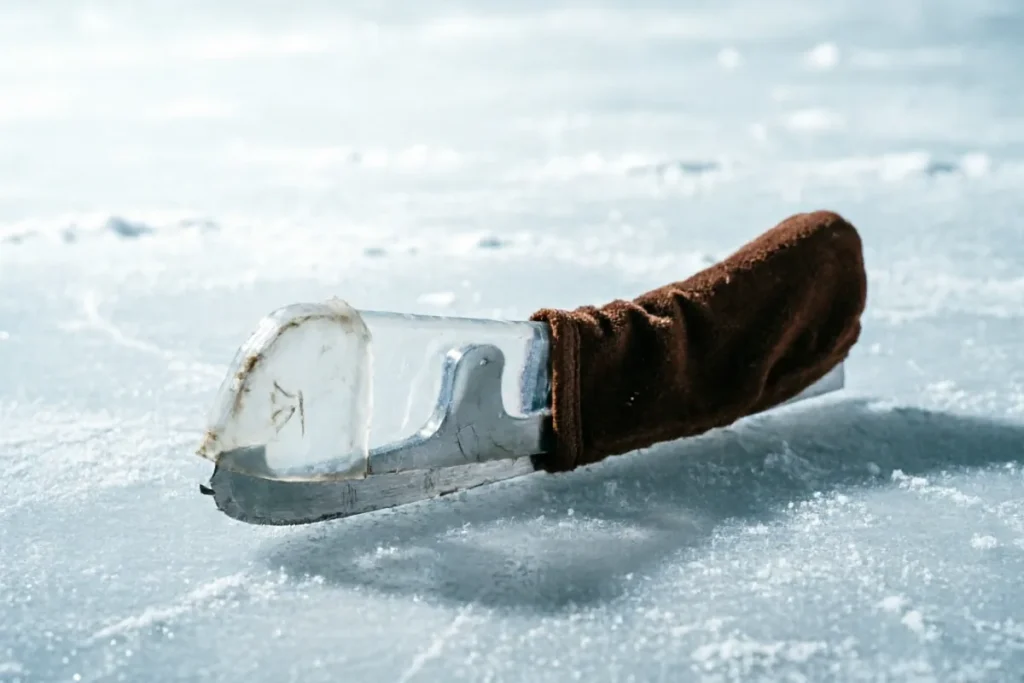
They serve different purposes, so one is not a substitute for the other. Learn when to use each, how to care for blades between sessions, and why putting wet skates into hard guards can leave moisture trapped against the steel.
| Protection type | Main job | Best use | What it does not do |
|---|---|---|---|
| Hard skate guard | Protects the sharp edge from floor contact, dirt and damage | Walking to and from the ice | Does not absorb moisture |
| Soft soaker | Absorbs moisture and helps keep blades dry | After skating and during storage | Does not provide a rigid walking barrier |
How do hard guards and soakers differ in use?
Hard skate guards protect sharp blade edges from dirt and damage while you walk to and from the ice; soft soakers absorb moisture to help keep blades dry. The two covers serve different purposes: hard guards are for contact with the floor, while soakers are for moisture after skating.
- Hard guards: Slim plastic covers for protecting blade edges during walks to and from the ice. Blue Sports Trek Walking Ice Skate Blade Guards are listed at $29.99 $32.99.
- Soakers: Soft, cloth-lined covers that absorb moisture and help keep blades dry. A&R TuffTerry Ice Skate Blade Covers are listed for USA / Canada.
Choose the cover for the job: use hard guards when moving around off the ice, and soakers to manage moisture on the blades. They are not interchangeable, so having both helps address the separate risks of floor contact and dampness.
When should you put on hard guards?
Put hard skate guards on before walking from the changing area to the ice, including across rink floors and other surfaces. The guards cover the blade edge so it does not scrape against the floor or pick up dirt that could affect the edge.
Before taking a step, check that each guard sits securely over the blade. A loose or poorly seated guard may shift while you walk, leaving the edge exposed to contact with the floor.
Hard guards are for walking, not drying
Hard guards protect blades during movement; they are not moisture-absorbing covers. After skating, remove them rather than treating them as a drying layer: soft, absorbent soakers are designed to take up moisture from the blades. The two serve different purposes, so use hard guards between the changing area and the ice, and soakers to help keep blades dry afterward.
Why use soakers after skating?
Soakers help protect skate blades after skating by absorbing moisture left on the steel, while rigid plastic guards do not. After leaving the ice, remove moisture from each blade, then fit a clean, dry soaker. This keeps the blade covered by an absorbent layer during storage rather than leaving damp steel inside a rigid guard.
Soakers and guards serve different purposes
A cloth-lined soaker absorbs moisture; a rigid plastic guard is for protecting the blade edge while walking across the rink floor. A soaker is for storage and moisture control, not for walking. Use the appropriate protection for each stage:
- After skating: Wipe moisture from the blade and put on a clean, dry soaker.
- For storage: Use the soaker to absorb residual moisture around the blade.
- For walking: Use a rigid plastic guard, not a soaker.
Named soaker options include Jerrys JR1380-SPP Plushies Pillow Soakers – Sugar Plum Puff and Jerrys JR1380-ML Plushies Pillow Soakers – Multi Lynx. Whichever soaker you choose, make sure it is dry before putting it on a blade; a damp soaker cannot serve the same moisture-control purpose.
What blade damage can the wrong cover cause?
Walking on exposed skate blades can nick or dull their sharp edges when they scrape a rink floor, collect grit, or take an accidental knock. Hard plastic guards provide a rigid barrier for walking to and from the ice; without them, the blade edge meets those hazards directly.
Damp blades stored without absorbent soakers remain in contact with moisture, which can encourage rust. A hard guard is not a substitute: it shields the edge from impacts and dirt but does not absorb water from the blade. After skating, dry the blades, then use soft, absorbent soakers for storage.
Match the cover to the task
- Walking on the rink floor: Use hard guards. Soakers are soft and do not form the rigid barrier needed to keep the edge off the floor.
- Storing blades after skating: Use absorbent soakers on dry blades to help manage remaining moisture. A hard guard alone does not absorb it.
What should you check when choosing protection?
Choose a hard skate guard that fits the blade securely and is designed for walking protection; choose a soaker with an absorbent lining that covers the blade. A rigid guard helps shield the blade edge from dirt and damage on the floor, while a soft soaker absorbs moisture after skating. They serve different purposes, so one does not replace the other.
- Hard guard: Check that the cover stays firmly in place and is intended for walking in skates. Bauer S23 Skate Blade Guards, Soakers are sold in Black Camo.
- Soaker: Look for an absorbent lining and enough coverage to enclose the blade, helping keep it dry.
Product names and appearance can help you identify an option, but they are secondary selection details. The key distinction is the item’s function: a rigid walking guard protects against contact with the floor, whereas a moisture-absorbing cover is for drying and storing blades.
Can either cover replace the other?
No: hard skate guards and soft soakers protect blades in different ways, so neither can replace the other. A hard guard shields the sharp edge from floor contact and dirt while you walk off the ice. A soaker is a soft, absorbent cover that helps keep the blade dry.
Use each cover at the right stage
- For walking: Put on hard guards before stepping onto the floor. A soaker does not provide the rigid barrier needed to protect the blade edge from floor contact.
- After skating: Remove the hard guards, dry the blades, then store them in soakers. A hard guard does not absorb moisture or replace drying.
Using both gives the blade protection suited to each stage: hard guards for moving between the ice and the floor, and soakers for keeping blades dry in storage.
Frequently asked questions
Can I store skates in hard guards?
Hard guards are designed to protect blades while walking, not to absorb moisture. Dry the blades and use soakers for moisture control after skating.
Can I walk in skate soakers?
No. Soakers are soft, absorbent covers; use rigid guards to protect blade edges from rink floors.
Do I need both guards and soakers?
They serve different purposes: hard guards protect edges during walks, while soakers absorb moisture during storage.
What is one named hard-guard option?
Blue Sports Trek Walking Ice Skate Blade Guards are a named walking-guard option.
Key takeaways
- Use hard guards to shield edges from floors while walking to and from the ice.
- Use absorbent soakers to keep blades dry after skating.
- Do not walk in soakers or rely on hard guards to absorb moisture.
- Blue Sports Trek Walking Ice Skate Blade Guards are one named rigid option.
Sources
- amazon.com — “CRS Cross Ice Skate Guards, Soakers & Towel. Complete”
- prostockhockey.com — “Skate Guards or Skate Soakers? – Pro Stock Hockey”
- adultsskatetoo.com — “Figure Skate Guards vs Soakers: What Each One Is For”
- skaterslanding.com — “Guards and Soakers”
- Golden Skate — “Alternatives to soakers?”