What Replaces HFCs in Ice Rinks—and What Skaters Feel
Ice rinks replace HFC refrigerants with options such as carbon dioxide, ammonia or other lower-impact refrigerants. Skaters may notice changes in ice quality or rink conditions, but the effect depends on the system and how it is operated.
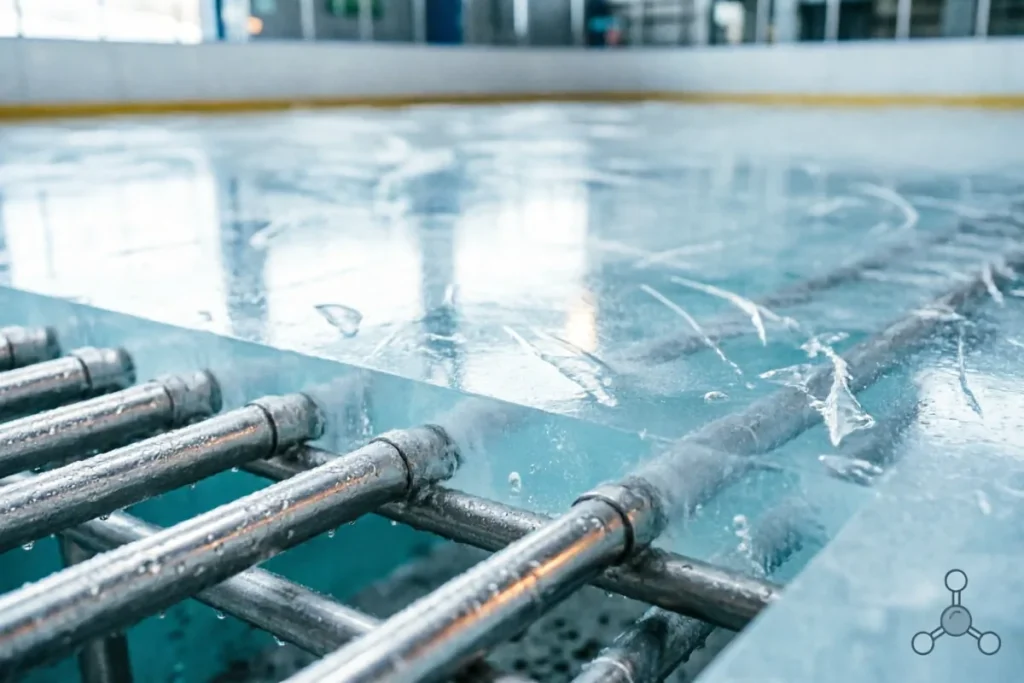
The refrigerant cools the ice through equipment beneath or around the rink; it does not determine the skating surface on its own. Ice temperature, humidity and rink management also shape how the surface feels, so a refrigerant change is not automatically noticeable to skaters.
What replaces HFCs in ice rinks—and what skaters feel—comes down to the specific installation and its operating conditions. The key distinction is between a change in the cooling system and a change you can actually feel on the ice.
| Criterion | Carbon-dioxide rink cooling | Outdoor natural-ice rink |
|---|---|---|
| What cools or forms the ice | Carbon dioxide circulates through pipes beneath the ice | Flooding builds the ice |
| Main condition described | Under-ice cooling can create a more uniform ice temperature | Sun angle and flooding conditions affect ice formation and melting |
| Operational check | Monitor ice conditions and ask the operator about equipment and leak procedures | Check local opening updates and conditions |
| Example | Carbon dioxide technology at the 2022 Winter Olympics | Lakeville outdoor-rink opening process |
- in the 20s Air temperatures at which Lakeville says sunlight can still significantly melt outdoor ice
What refrigerant replaced HFCs at the Winter Olympics?
At the 2022 Winter Olympics, carbon dioxide technology replaced hydrofluorocarbons (HFCs) in rink cooling.
HFCs can damage the ozone layer and contribute to severe warming. Using carbon dioxide instead addressed those environmental effects while keeping the ice cold.
In the carbon dioxide system, refrigerant circulates through pipes beneath the ice, carrying heat away. That heat removal helps maintain the ice surface, but the refrigerant alone does not determine what skaters feel.
Why the system matters to skaters
Rink conditions also depend on the refrigeration system as a whole and how it is operated. The pipe layout and temperature control affect how evenly the ice is cooled; the resulting surface can influence skating. A comparison between carbon dioxide and HFCs therefore cannot, by itself, predict ice quality or feel.
How can carbon-dioxide cooling affect the ice surface?
Carbon-dioxide cooling can make rink ice more uniform in temperature because a network of pipes carries the refrigerant beneath the skating surface. The Olympic-rink account describes this even temperature as a feature of the system, not a guarantee that every patch of ice will feel the same.
Philippe Simard of Natural Resources Canada noted better ice quality and efficiency with this method. A more even temperature can support a more consistent surface, but the skating conditions still depend on the rink and the session.
For skaters, the useful check is the ice itself on the day: how it feels under the blade and whether conditions have changed during the session. The refrigerant name alone cannot tell you whether the surface is suitable for your skate.
What does rink management still need to handle?
Rink management still needs to monitor ice conditions, manage reservations and provide first aid when necessary; changing refrigerants does not remove those operational duties.
The Wheaton Park District says rink staff are onsite exclusively to manage reservations, monitor ice conditions and administer first aid when necessary. That describes staff responsibilities, not a complete maintenance schedule for carbon-dioxide refrigeration equipment.
Ice monitoring remains important because the skating surface has to stay suitable for use. Refrigerant choice alone does not tell you how a rink checks ice conditions or maintains its refrigeration system.
What to ask the operator
Ask the rink operator what refrigeration system it uses, who services the equipment and what staff do if they suspect a refrigerant leak. Those answers clarify how the facility handles equipment care and a possible leak—issues not covered by the Wheaton Park District’s description of rink staff duties.
When does carbon-dioxide refrigeration advice not apply?
Carbon-dioxide refrigeration advice does not predict when an outdoor natural-ice rink will open, because weather and sunlight also affect ice-making. Lakeville, Minnesota, says the sun’s angle can significantly melt ice even when air temperatures are in the 20s.
For Lakeville’s outdoor rinks, building enough ice takes time: Park Maintenance staff need two weeks from the start of flooding, on average, before the rinks can open. The city’s stated goal is to open on the Friday before Christmas, though favorable flooding conditions can allow an earlier opening.
These timings describe outdoor ice-making conditions, not the performance of a carbon-dioxide refrigeration system. Check the local rink’s opening updates for current status.
Frequently asked questions
What refrigerant was used instead of HFCs at the 2022 Winter Olympics?
Does carbon dioxide automatically mean better ice?
Does the change mean rink staff can stop checking the ice?
Does this advice apply to outdoor natural-ice rinks?
Sources
- NBC Boston — “How Eco-Friendly Ice Rinks Are Kept Cold at the Winter Olympics”
- NBC Sports Boston — “How Eco-Friendly Ice Rinks Are Kept Cold at the Winter Olympics”
- nypost.com — “NYC ice skaters fume at de Blasio for closing rinks to punish Trump”
- Lakeville, MN — “Outdoor Ice Rinks”
- Wheaton Park District — “Ice Rinks”